
A look back at some of our favorite clean energy stories of 2025
From microbes to cement and atomic-scale modeling to statewide weather monitoring, Wisconsin Energy Institute researchers use both cutting edge and tried-and-true technologies to expand basic knowledge and apply it to real-world problems. Here are a few of the highlights from 2025:
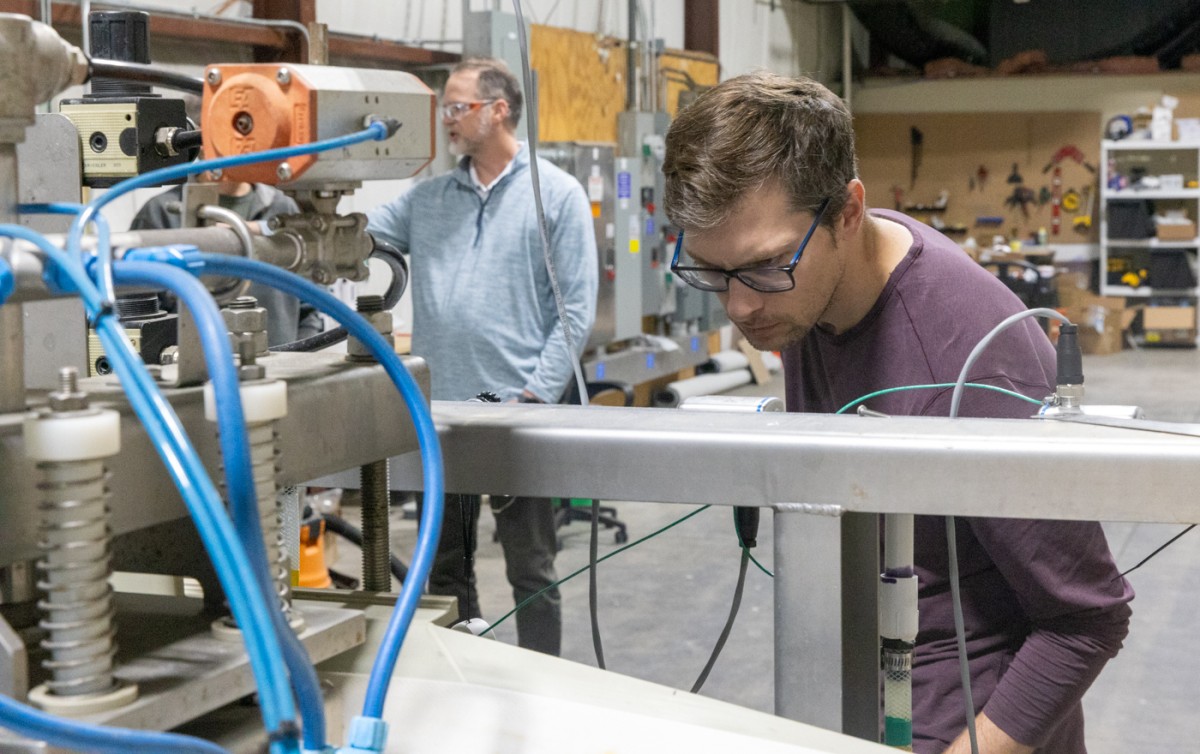
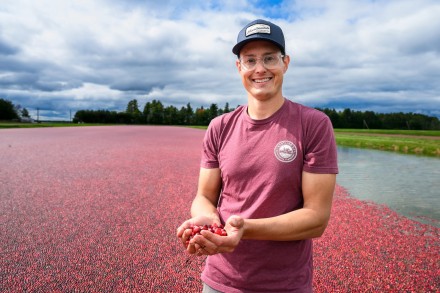
- A spinoff company founded by WEI investigator Rob Anex is making environmentally-friendly cement. The secret ingredient is pollution.
- A team at UW–Madison scientists combined two techniques to speed discovery of genes that help microbes tolerate toxic chemicals encountered in biofuel production. The technique will speed discoveries that could advance biomanufacturing, medicine, and agriculture.
- Machine learning solves complex problems: UW–Madison scientists applied machine learning to two diverse questions. One team used it to reveal the genes that help yeasts resist oxidative stress, which could improve biomanufacturing. Another used it to pick the best solvents for accessing valuable chemicals in plant fibers.
- UW–Madison researchers showed that using oxygen with a catalyst can break apart lignin fragments formed during biomass deconstruction, turning what was a waste product into aromatic molecules that microbes can funnel into useful chemicals.
- Using a process known as adaptive laboratory evolution, scientists discovered a new protein that enables microbes to digest a wider array of aromatic chemicals with just a single genetic modification.
- Researchers showed that microbes can convert chemicals in biomass pretreatment liquors — often treated as a waste product — into high-value chemicals.
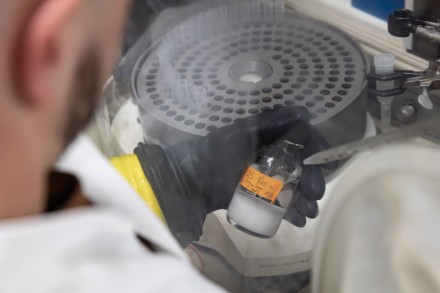
- WEI food science researchers rewired a microbe to eat toxic byproducts in deconstructed plant fibers, leaving the sugars for other microbes to make into fuel.
- Researchers trained an algorithm to sift through thousands of possible combinations and find the best solvents for accessing valuable chemicals in plant fibers.
- Scientists used computer modeling to simulate the movement of every atom when plant fibers are broken down with solvents to better understand how dissolved plant polymers interact with catalysts, providing new insights that will help better convert plants into fuels and chemicals.
- Wisconet, a new statewide network of weather stations providing hyper-local data, was a perennial star, helping local governments and farmers plan for and respond to climate conditions and garnering international recognition.