Joshua Coon and Elizabeth Wright receive awards to support research
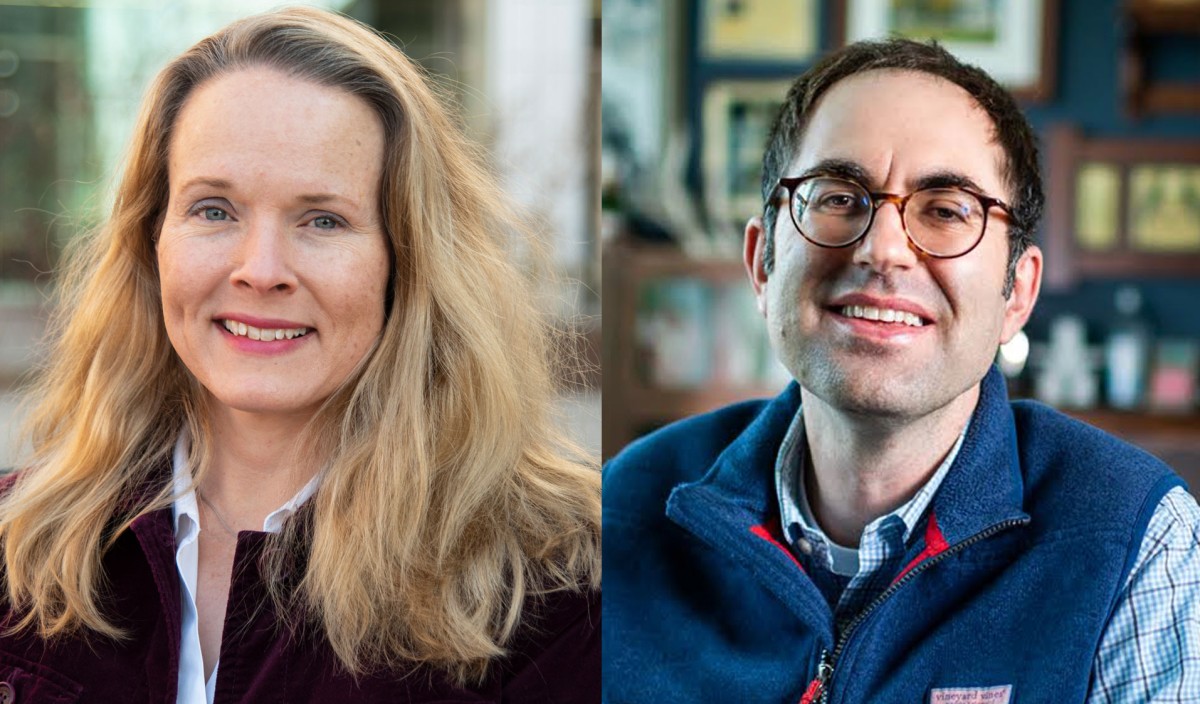
The University of Wisconsin–Madison has honored two Wisconsin Energy Institute researchers for their scholarship.
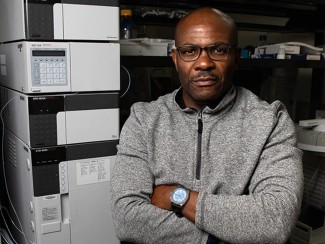
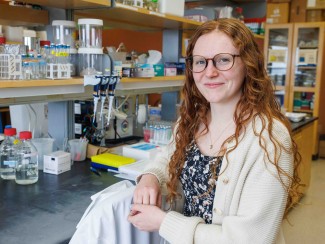
Joshua Coon, John E. P. Syka Professor of Biomolecular Chemistry and Chemistry, was one of eight UW–Madison faculty awarded WARF Named Professorships, and Elizabeth Wright, Henry A. Lardy Professor of Biochemistry, was among 16 faculty to receive a Kellett Mid-Career Award.
WARF Named Professorships honor faculty who have made major contributions to the advancement of knowledge, through research, teaching, and service. Award recipients choose the names associated with their professorships, which come with $100,000 to support ongoing research.
Kellett Mid-Career Awards support faculty who received tenure in the past 7 to 20 years and who have made key research contributions in their fields. The award, named for the late William R. Kellett, a former president of the WARF board of trustees and president of Kimberly-Clark Corporation, comes with $75,000 to be spent over five years.
The awards are granted by the Office of the Vice Chancellor for Research.
Dorota Brzezinska, vice chancellor for research, says the awards represent meaningful investments in the people who drive discovery at UW–Madison.
“These prestigious honors provide researchers with the recognition, flexibility, and support needed to pursue bold ideas, advance groundbreaking scholarship and address society’s most pressing challenges," Brzezinska said. “Just as importantly, they affirm the university’s commitment to fostering excellence and empowering faculty to lead in their fields, inspire the next generation of scholars, and extend the Wisconsin Idea through research that benefits the world.”
Coon holds the Thomas and Margaret Pyle Chair at the Morgridge Institute for Research and is Director of the NIH-funded National Center for Quantitative Biology of Complex Systems, where he leads a strategic effort to disseminate next-generation measurement technologies to the biomedical community.
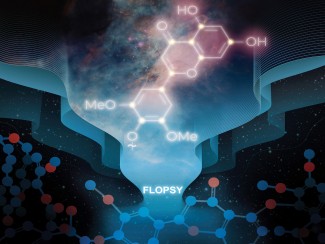
An international authority in mass spectrometry whose work bridges fundamental chemical instrumentation development with transformative biological discovery, Coon is best known for the co-invention and development of Electron Transfer Dissociation tandem mass spectrometry, a technology that revolutionized the characterization of proteins and their post-translational modifications, and Parallel Reaction Monitoring, a cornerstone method in targeted proteomics.
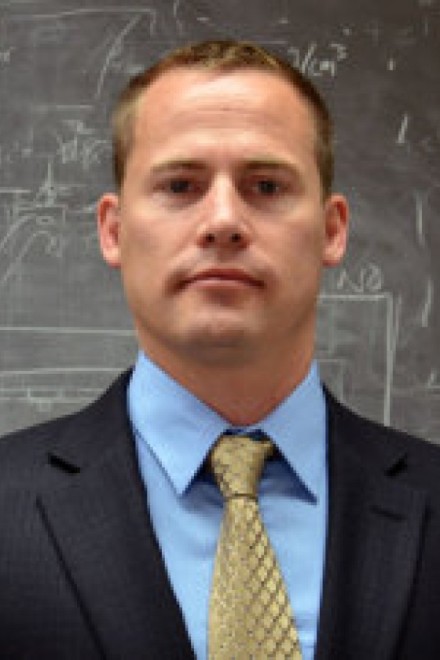
Wright develops and applies cryo-electron microscopy and cryo-electron tomography to reveal the three-dimensional structures of viruses, cells, and molecular machines in their native environments. Her research has uncovered fundamental mechanisms of viral infection, cellular organization, and protein assembly while advancing technologies that have transformed in situ structural biology. Wright founded and directs UW–Madison’s Cryo-EM Research Center and the NIH-supported Midwest Center for Cryo-Electron Tomography, establishing the university as a global leader in advanced structural imaging, technology innovation, and scientific training.
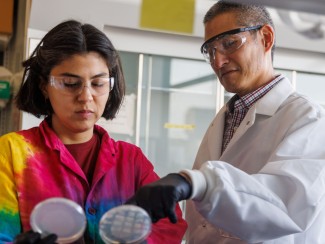
In addition, WEI energy expert Marc H. Anderson, Consolidated Papers Professor of Mechanical Engineering at UW–Madison, Mechanical Engineering Associate Chair for Research, and Director of the Thermal Hydraulics Laboratory, received an H.I. Romnes Fellowship, which recognizes faculty with exceptional research contributions within their first six years from promotion to a tenured position. The award is named in recognition of the late WARF trustees president H.I. Romnes and comes with $60,000 that may be spent over five years.