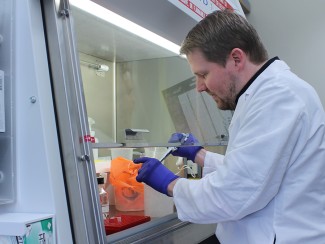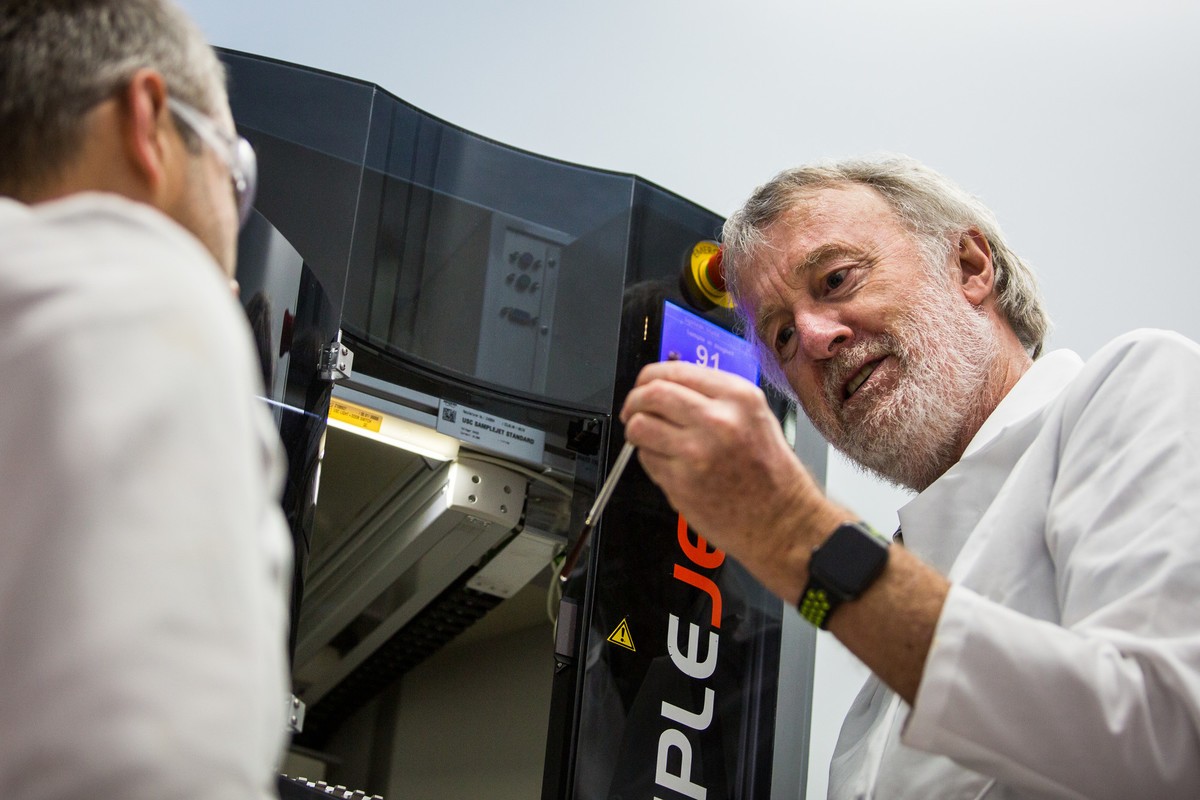
Wisconsin Energy Institute investigator John Ralph has been elected to the National Academy of Sciences, one of the highest honors a scientist can receive, in recognition of his research accomplishments.
Ralph, who retired in 2024 as a professor of biochemistry at UW–Madison, studies lignin, a compound that binds together plant sugars, giving structure, strength, and rigidity to plant cell walls.
“In addition to the personal honor and the validation of work on the abundant but little-recognized lignin polymer, this recognition acknowledges the accomplishments of an exceptional group of students, postdoctoral researchers, and distinguished colleagues from across the globe who have collaborated on significant plant-related projects,” Ralph said.
Established by Congress in 1863, the National Academy of Sciences is a private, nonprofit institution that recognizes achievement in science by election to membership, and provides science, engineering, and health policy advice to the federal government and other organizations.
The 2026 election of 120 members brings the total number of active members to 2,705. The 32 members from UW–Madison include WEI investigator Shannon Stahl, a professor of chemistry, and Department of Biochemistry Chair Richard Amasino, a former WEI investigator.
“It is a great and very well-deserved honor for John to be elected to the National Academy of Sciences for his outstanding work on the structure of plant cell walls," Amasino said. "We are proud of his many ground-breaking scientific achievements and we celebrate his election."
A co-investigator with the Great Lakes Bioenergy Research Center, Ralph is internationally recognized for his work on lignin structure and biosynthesis, decoding lignin biochemistry and identifying biosynthesis pathways.
Lignin can be used to make a variety of products, including fuels and medicines, but its variable structure makes it difficult to study and complicated to break down.
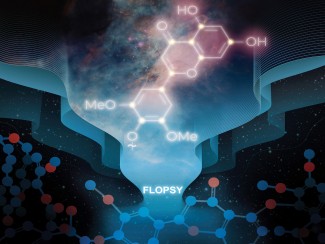
Ralph pioneered novel approaches to understanding the biochemistry of lignin structures, including innovative uses of nuclear magnetic resonance. Over the course of his career, Ralph has studied a wide range of plants, revealing variability in lignin structure within and among plants and characterizing previously unknown lignin structures.
“The daily challenges, the exhilaration of novel discoveries, and, most importantly, the interaction with a cadre of brilliant young students and exceptional collaborators have rendered this journey profoundly rewarding,” Ralph said. “I sincerely hope that the field will continue to attract astute young researchers to develop novel knowledge and methodologies that will propel the field forward.”