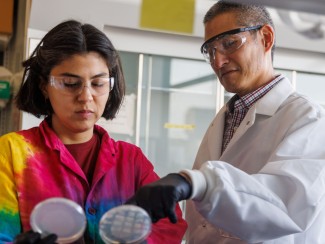
Researching genetic regulators in pursuit of better bioproducts
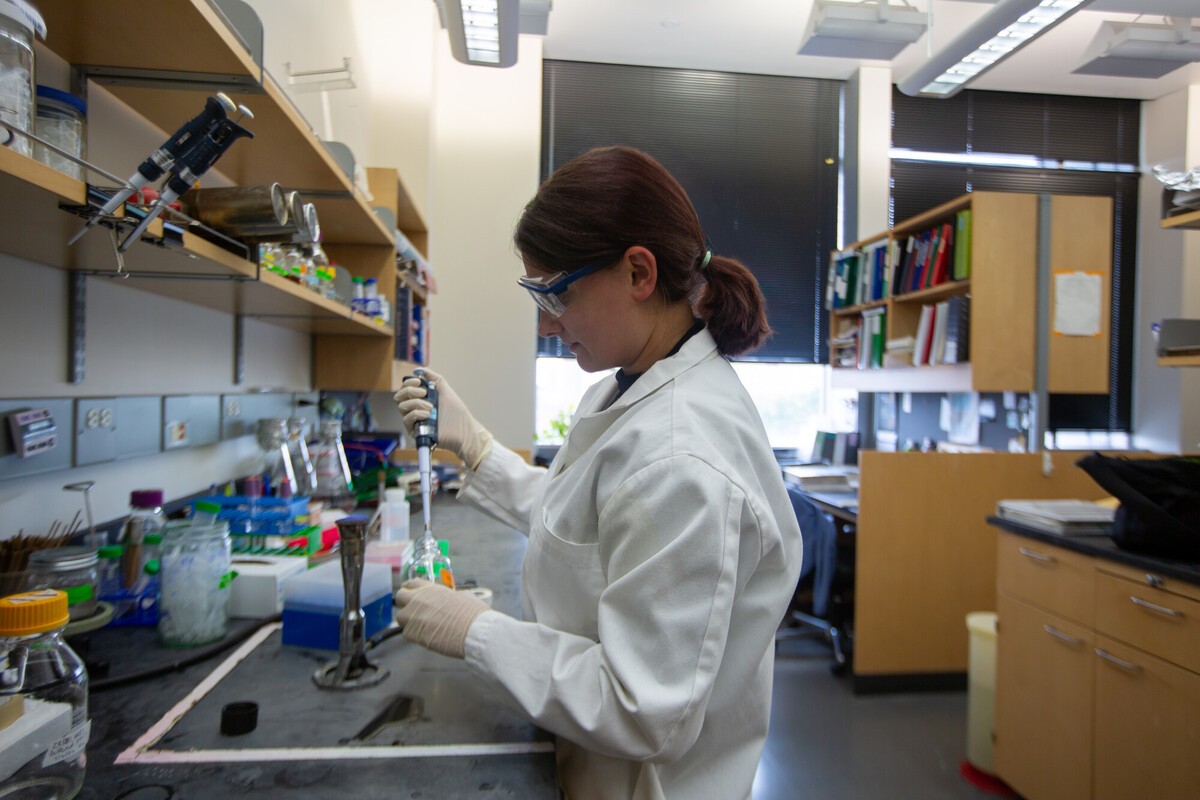
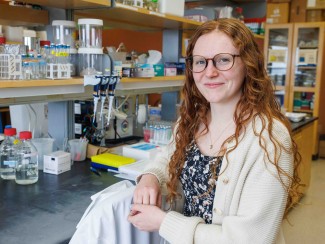
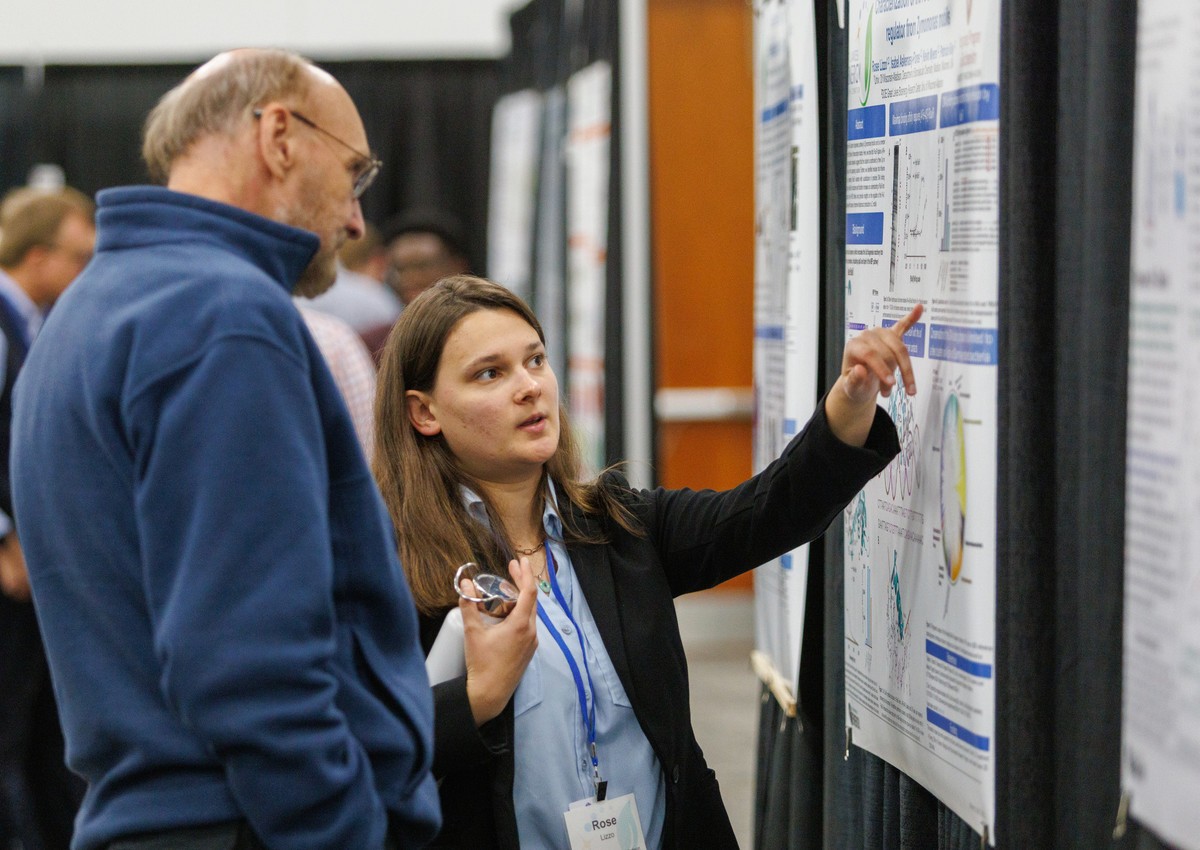
Rose Lizzo is a fourth year PhD candidate in biochemistry. She works in Professor Patricia Kiley’s lab, where she studies Zymomonas mobilis, a microorganism used to make biofuel.
Tell me about your research.
I study a microbe called Zymomonas mobilis. It's good at making alcohol, but we want to modify it to be better at making fuels and chemicals from non-food plant material, which often include toxins that slow down fermentation. To do that we need to understand how it works.
What questions are you specifically trying to answer?
I study how certain genes are regulated. I'm researching transcription factors, which are proteins that regulate production of enzymes involved in the biofuel production pathway. We're looking at how an operon, or cluster of genes is regulated, what it’s sensitive to, and how it affects Z. mobilis physiology and growth. What we've observed is that Z. mobilis is very sensitive to oxygen, and these genes are regulated primarily by oxygen. Ultimately, our goal is to optimize the way this bug is producing bioproducts, such as isoprenoids, a class of molecules with many commercial uses. My research will hopefully elucidate this mechanism to improve isoprenoid production in Z. mobilis.
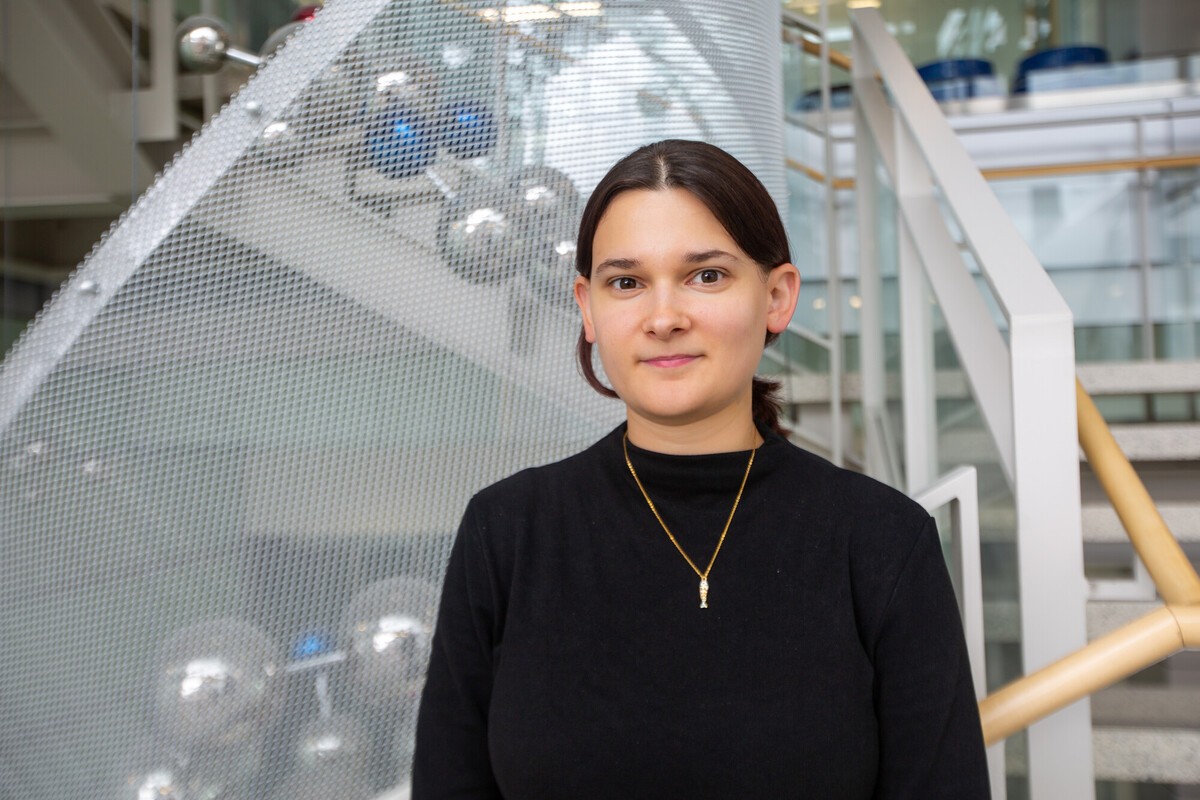
How did you end up studying biofuel?
My undergraduate degree was in cell and molecular biology. My PhD is in biochemistry. I did my undergraduate degree at Grand Valley State University [in Michigan]. It was very diverse in the classes that you could take. You could take a medical route or the research heavy route, which is what I chose because I knew I didn't want to do medicine. I did bacterial genetics. I took cell and molecular biology classes, more eukaryotic stuff, but I just loved biochemistry. That was the class that was for me.
Failing is a part of being a scientist.... You just have to keep being patient with yourself and trusting the process, because it's a really long term thing to be good at.
Rose Lizzo
What drew you to research?
I was always so interested in how everything worked, and I felt like biochemistry gets at that. You're asking questions about how things are working at, like, the angstrom level. I really gravitated toward that.
How did you end up working on biofuel?
I loved bacterial genetics. I took microbiology classes and ended up doing research for a little bit as an undergrad in a microbiology lab. All of that really played an influence in me wanting to work on microbes. I was really interested in Z. mobilis because it’s a non-model organism, so there’s a lot that has not been discovered about it yet. It just makes it this kind of elusive mystery. There are a lot of parallels with other bacteria, but we're always finding new things that it does that are weird.
What’s your favorite part of your job?
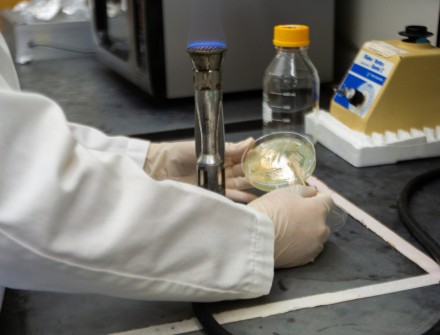
It's really gratifying when you get things to work. The type of work I do, there aren’t a lot of protocols that are already written. You just kind of have to be creative and try new things all the time. Sometimes it's very difficult because things don't work. But when you get it to work and optimize everything, it's a really gratifying experience.
What do you do in your free time?
I do a lot of stuff. I feel like it keeps me sane. My main thing that I've been doing for many years now is kickboxing. It got me through preliminary exams. Just being around uplifting people who are teaching you martial arts is really a great environment. And there's a lot of places in Madison that have that opportunity. I started in self-defense, but I eventually gravitated towards sports style Muay Thai.
Are there any other activities you enjoy?
Recently I have picked up creative writing. I've really taken to it because it's very free form. I like to write and read sci-fi. World building, character building, writing in different perspectives too. It’s tricky, and something that I’ve tried to work on. I like interplanetary systems and books that are usually based on scientist views.
What advice would you give to someone who wants to work in research?
Failing is a part of being a scientist. Just be patient with yourself. Follow your heart, because that's the best thing you have to go on. If you feel pulled toward biochemistry like I did, then you just have to keep being patient with yourself and trusting the process, because it's a really long term thing to be good at.
Is there anything else you want people to know?
The GLBRC has been the most supportive environment for me as a graduate student. It was one of the top reasons I joined the lab. The support resources and dedication has made the difference in my graduate degree.