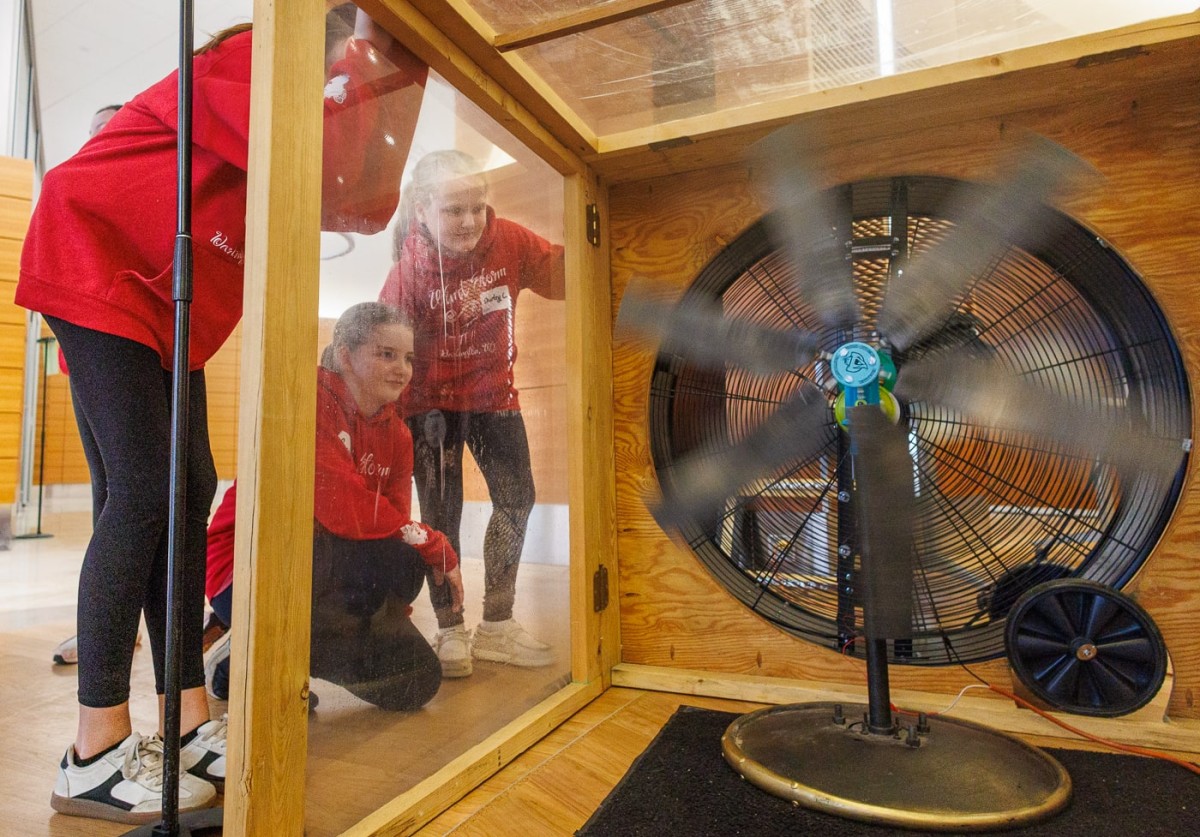
The air was electric. Young engineers from across Wisconsin have been hard at work for months, designing and building model wind turbines and solar powered arrays that solve real world problems.
Pipes, scrap metal, and recycled recording equipment were among the many reused components teams used to build their projects. The A Team from St. Matthew’s Lutheran school (Stoddard, WI), opted to use fidget spinner ball bearings for smooth blade rotations. The Windy 5, from Darlington, built their blades out of repurposed foam and their base from a tire from one of their member’s farms.
Twenty two teams from schools across Wisconsin and northern Illinois competed in the annual Wisconsin KidWind Challenge at UW–Madison's Discovery Building. Hosted by the Wisconsin Energy Institute, the event showcases creativity and engineering skills as teams earn points for power output, answering questions, and solving challenges.
Eight teams of elementary, middle and high school students from Wisconsin will get to test their clean energy knowledge and engineering skills on the global stage after qualifying to compete in the World KidWind Challenge on May 17-20th, but every competitor came with an innovative project.
One solar team built a model based on a grandparent’s home. The Driftless Dynamos, a team from Darlington, also brought a model house. They built a circuit with a fan, recording device, and lights, based on one of their team member’s visits to rural Ethiopia.
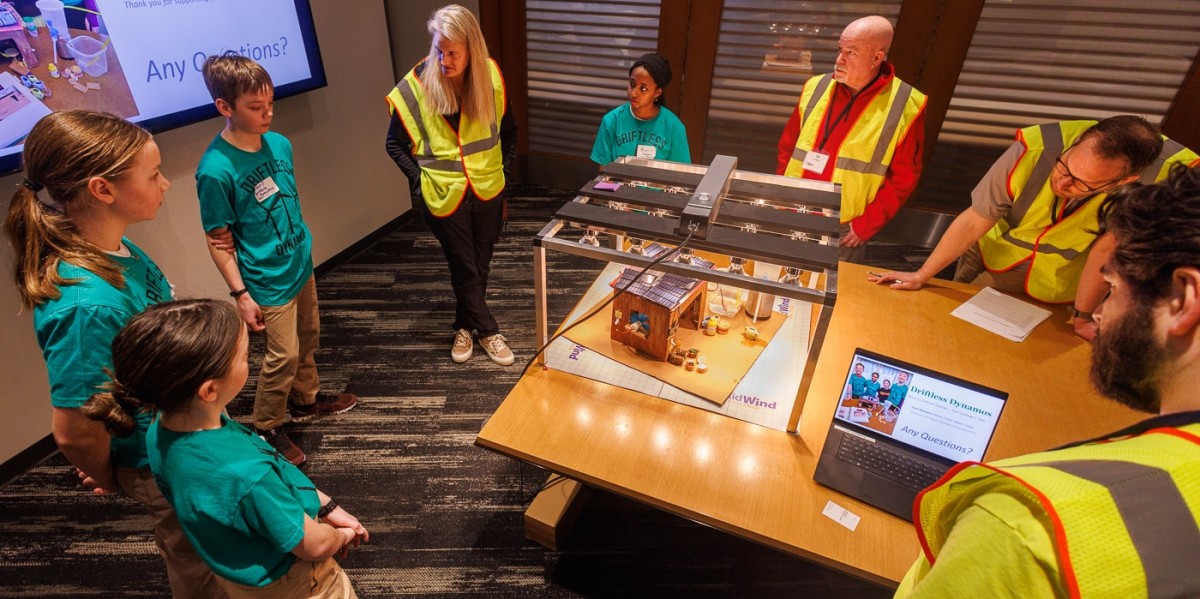
A lot of people who live in rural areas don’t have constant access to power, Blaine Getachew explained. It makes it harder to do basic stuff like cooking or studying at night. The students thought about this as they built their model, designing circuits that would solve real world problems. She and the Driftless Dynamos won first place in the middle school solar challenge, and will be going to World’s.
“I think that if it can actually go on, like a bigger level to where it's actually a reality at some point, that would be just like [amazing],” Blaine Getachew said.
In addition to bringing their prepared projects, competitors also faced instant engineering challenges and tests designed to test teamwork, problem solving, and knowledge of clean energy.
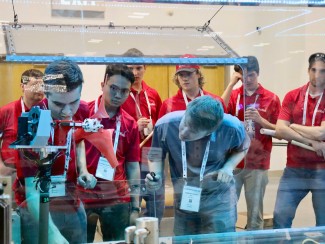
Students tested their turbines in a wind tunnel, where sensors measured the actual power generation. Teams innovated on the fly, tilting blades and adjusting angles, sometimes doubling their output with a single change.
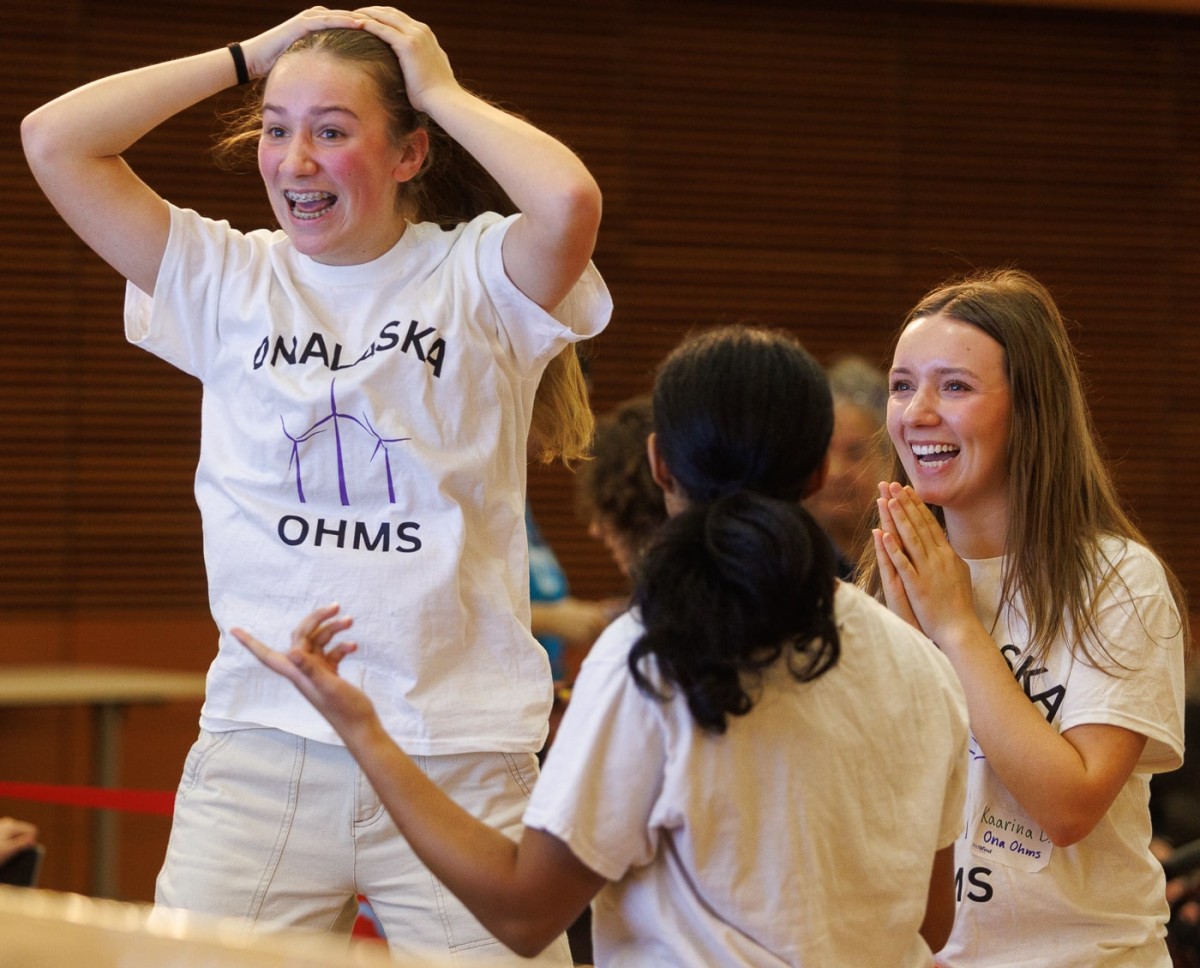
The first time the Onalaska Ohms, a high school team from Onalaska, Wis., put their turbine in the wind tunnel it generated about fifty two joules. After swapping out the generator and tightening a few bolts, they were up to ninety six.
“You always go into it expecting one thing, but it never works the way we want it to, you always have to come up with stuff on the fly.” said Evan Freimuth, a high school senior on team Sigma from Mauston High School.
Freimuth and his friend, Branson Bilka, have been doing KidWind for five years. The turbine they made with sophomore Todd Day was so powerful, they actually had to slow it down to stay within the competition’s limits.
“Our first test, we were predicted to get to twelve hundred joules,” said Todd Day.
“But we had to stop it because the max is nine hundred,” said Branson Bilka. They paused, adjusted their blades, and generated more than eight hundred joules, walking away with a first place prize in the high school division and a ticket to World’s.
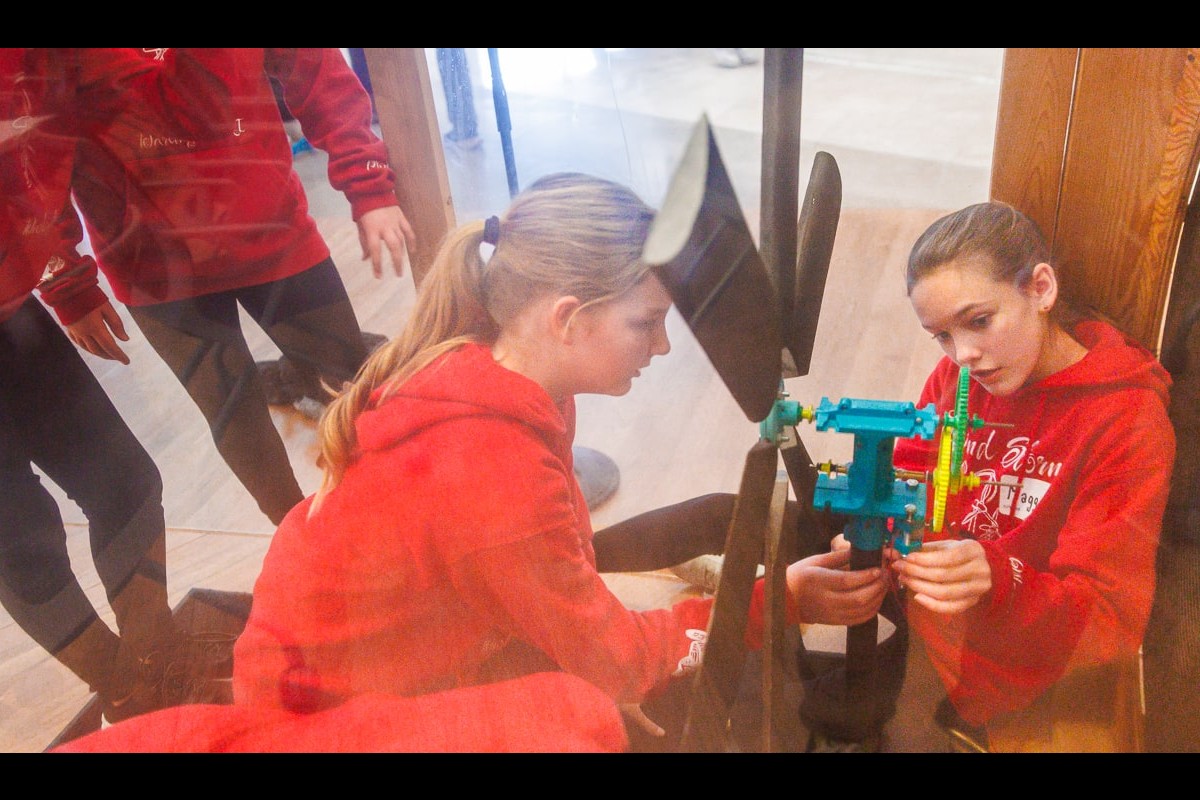
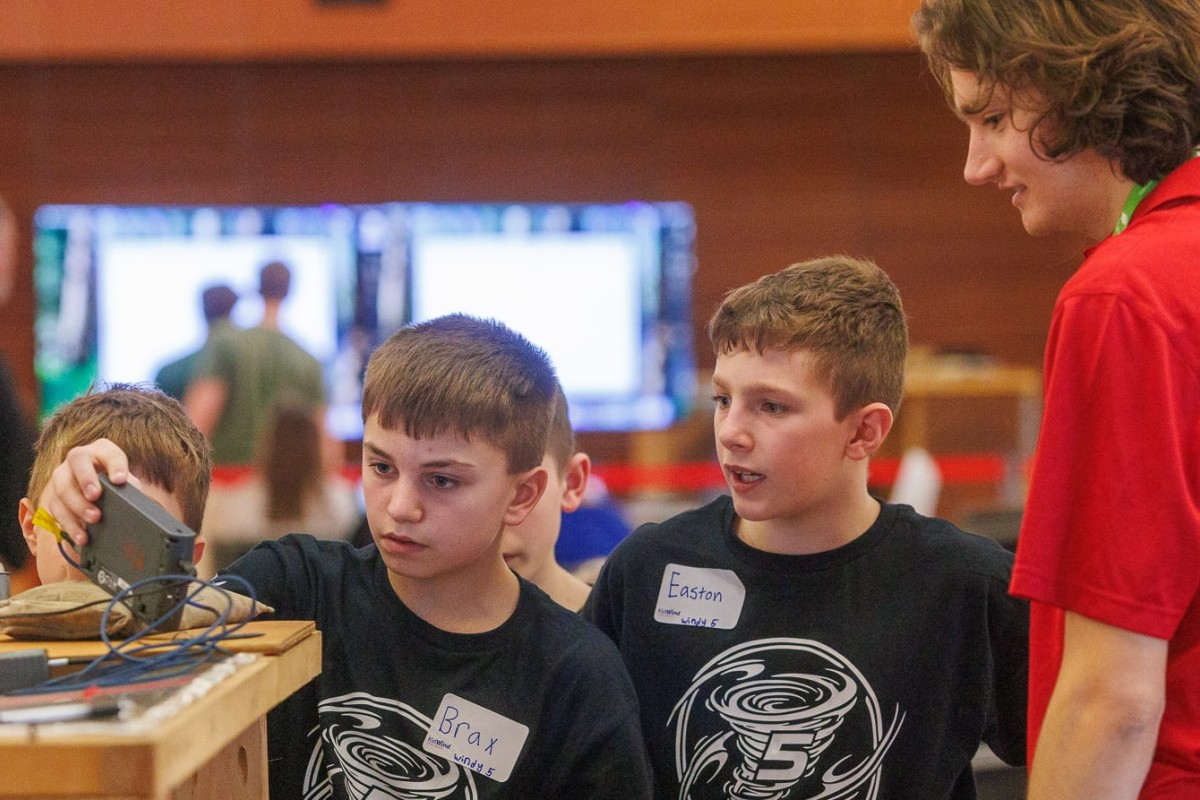
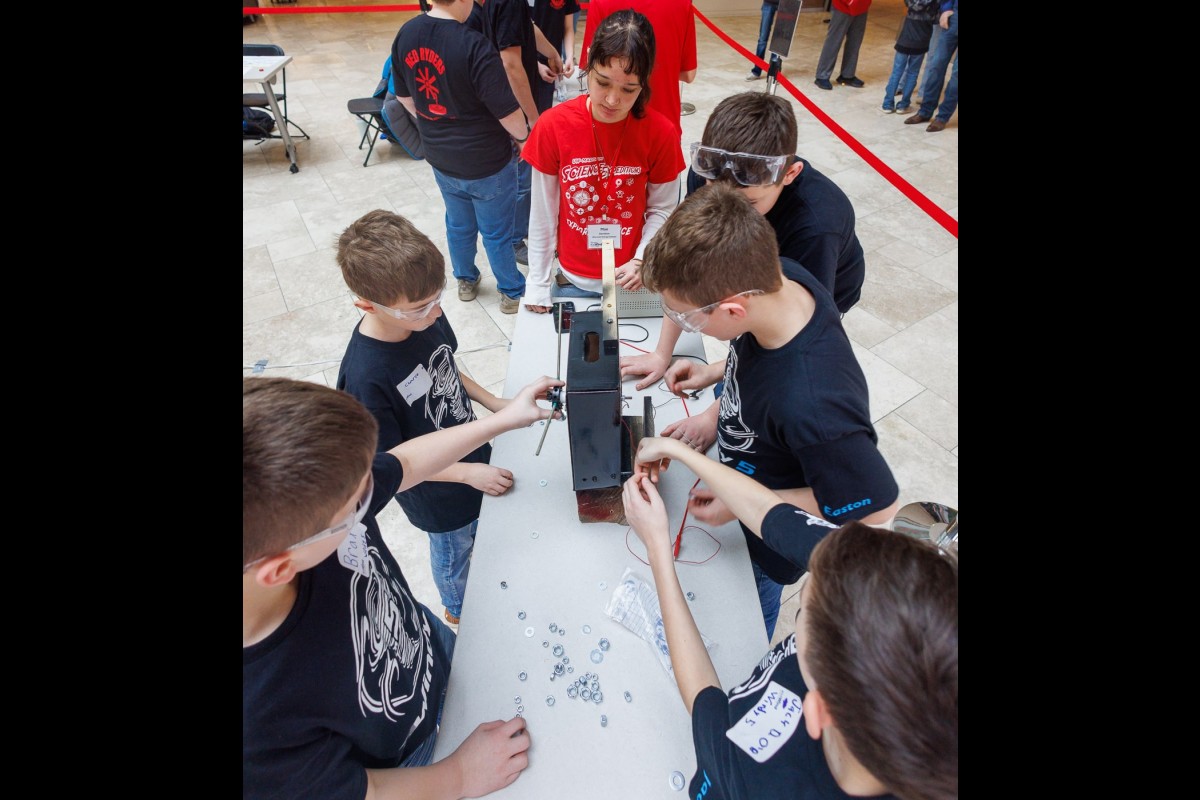
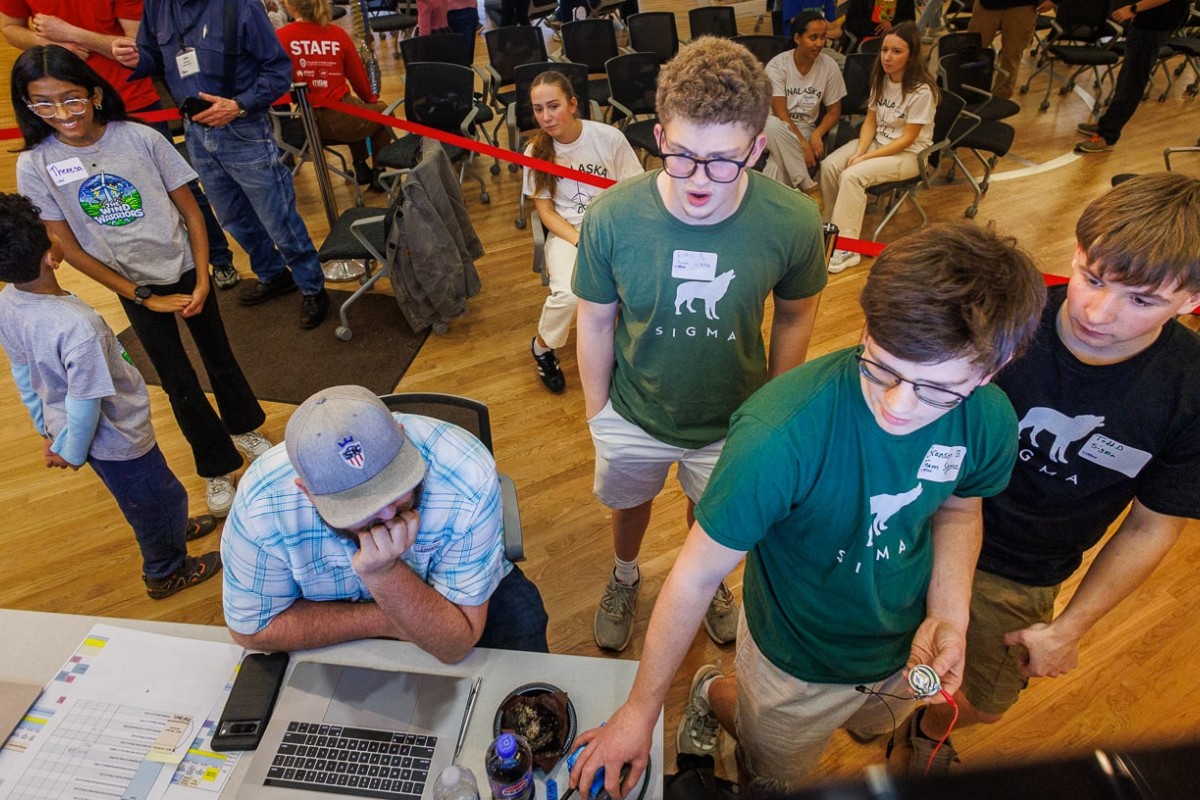
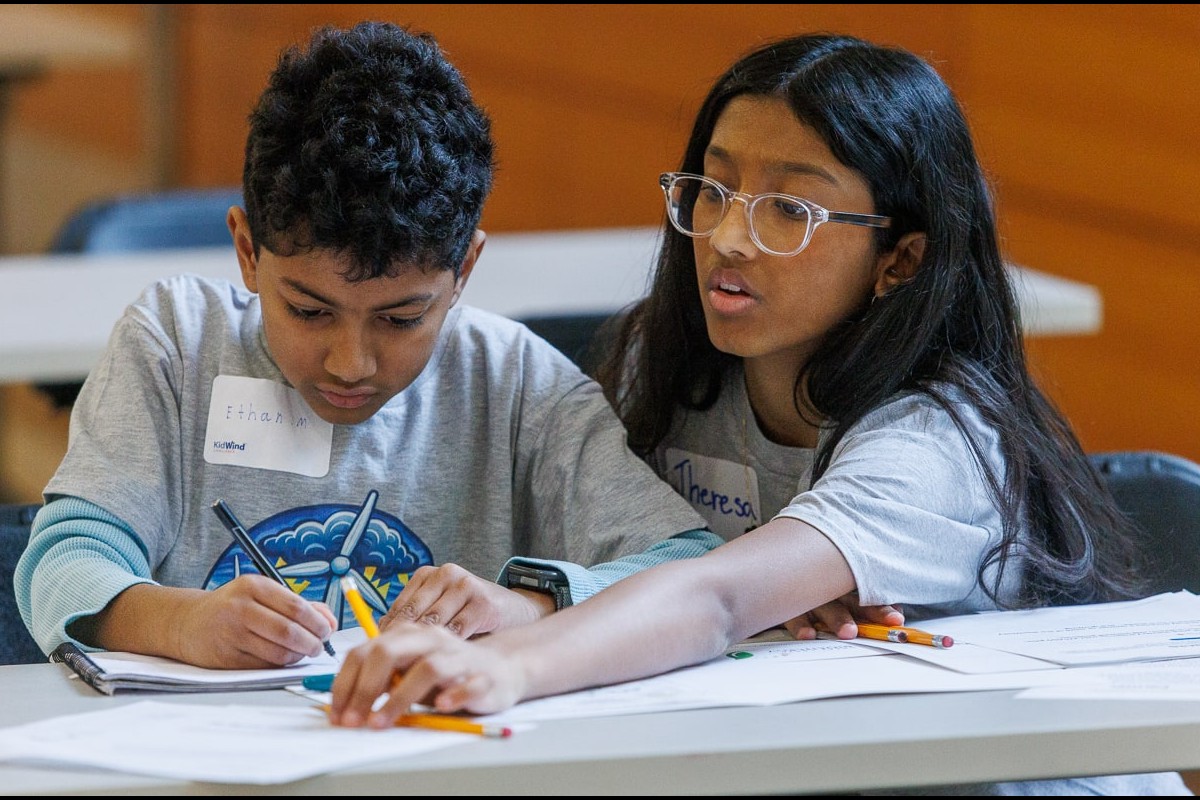
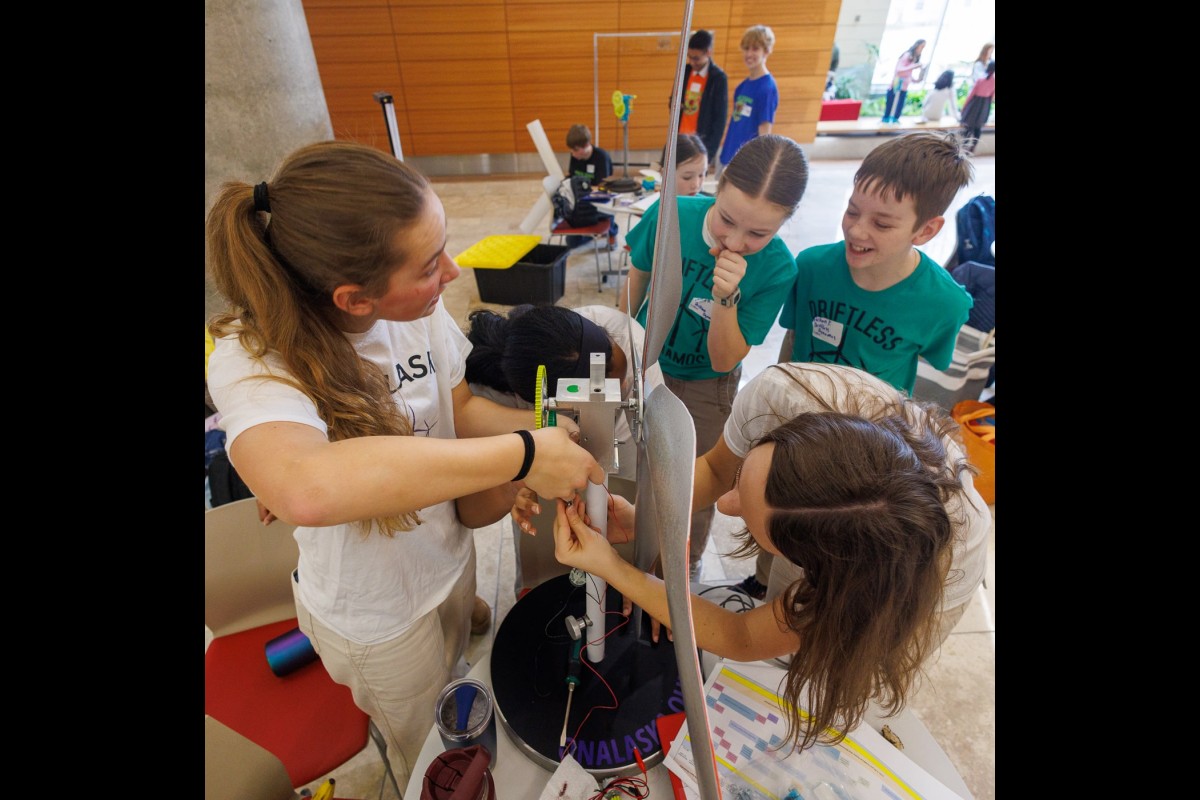
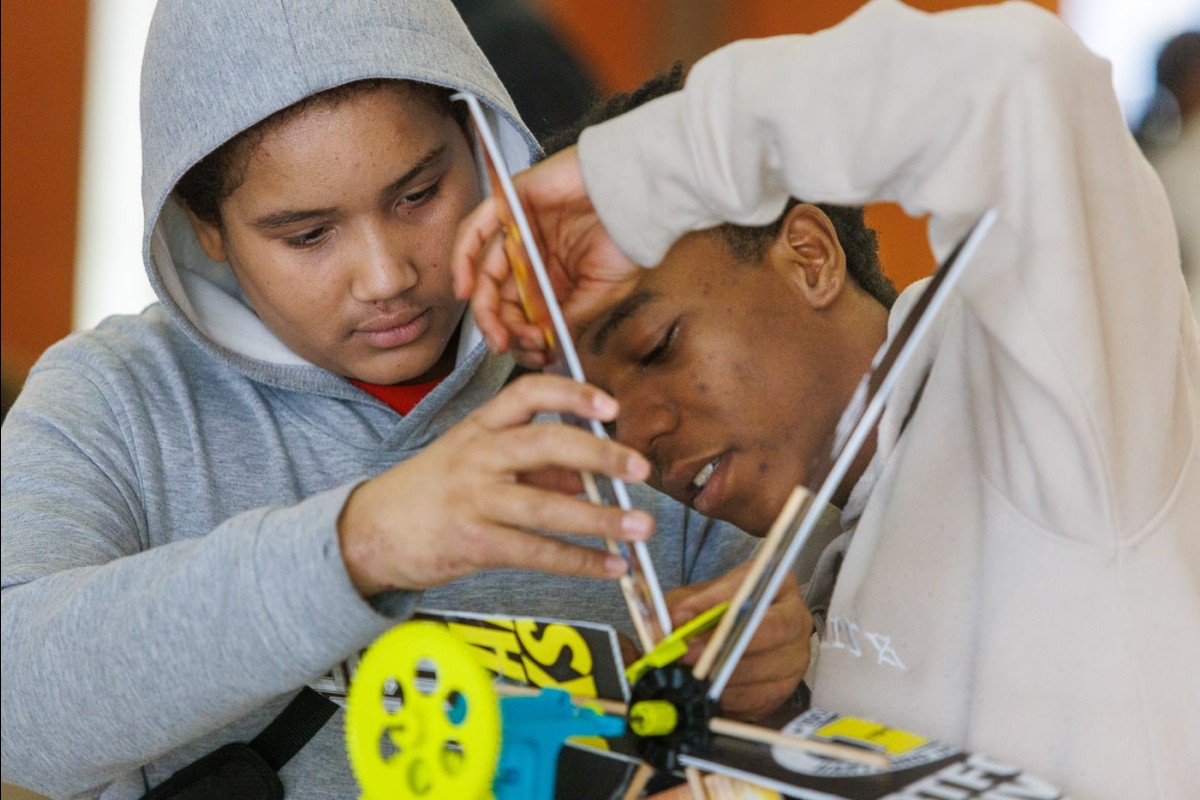
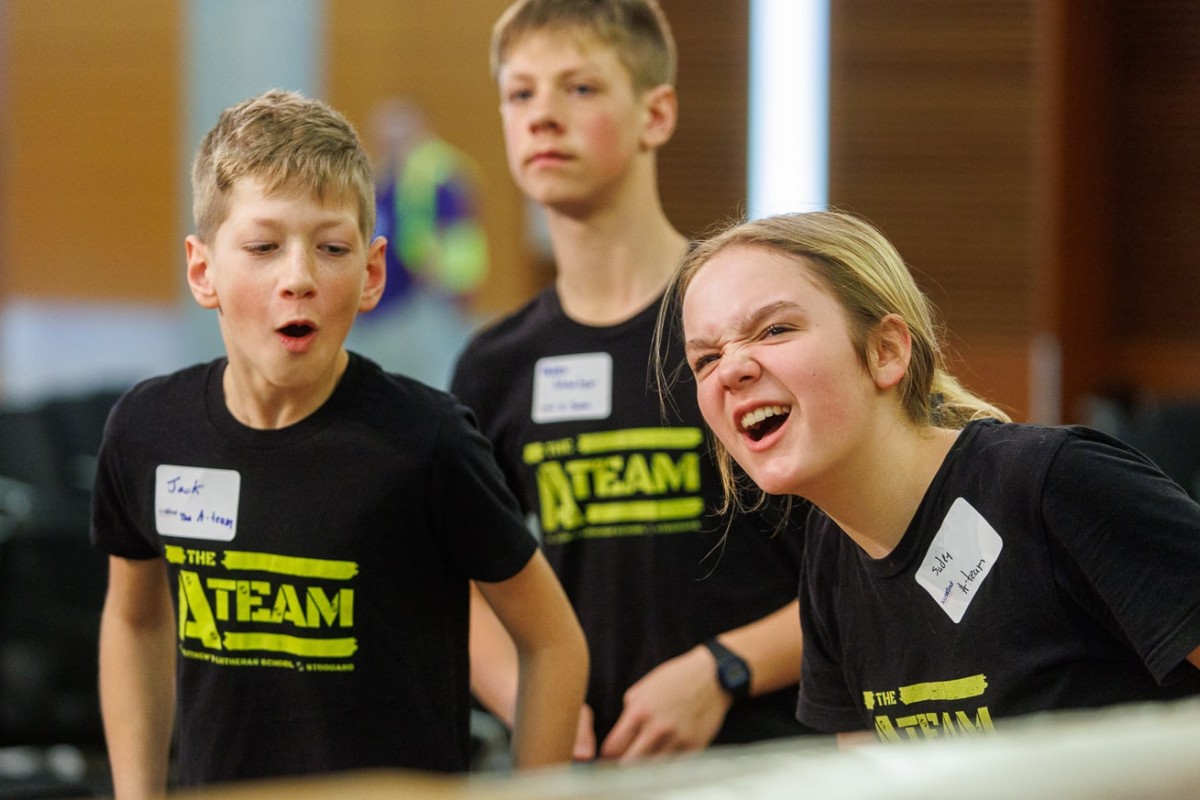
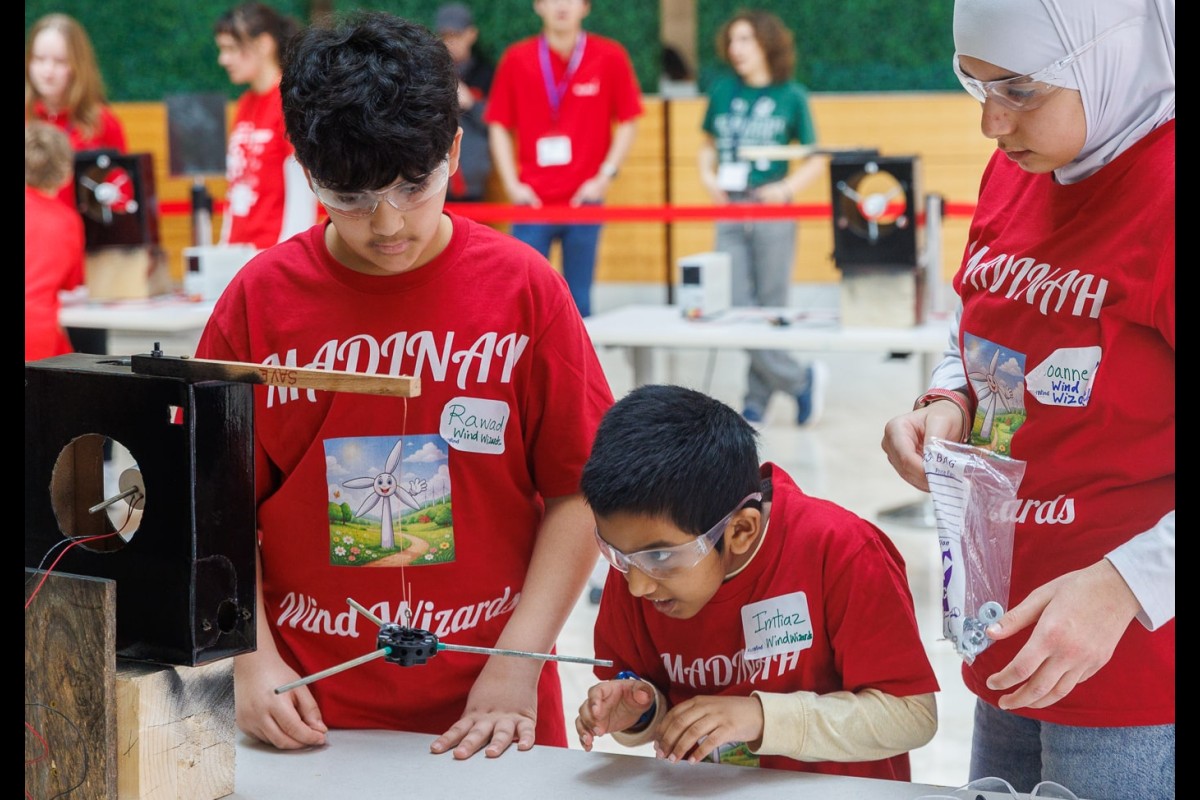
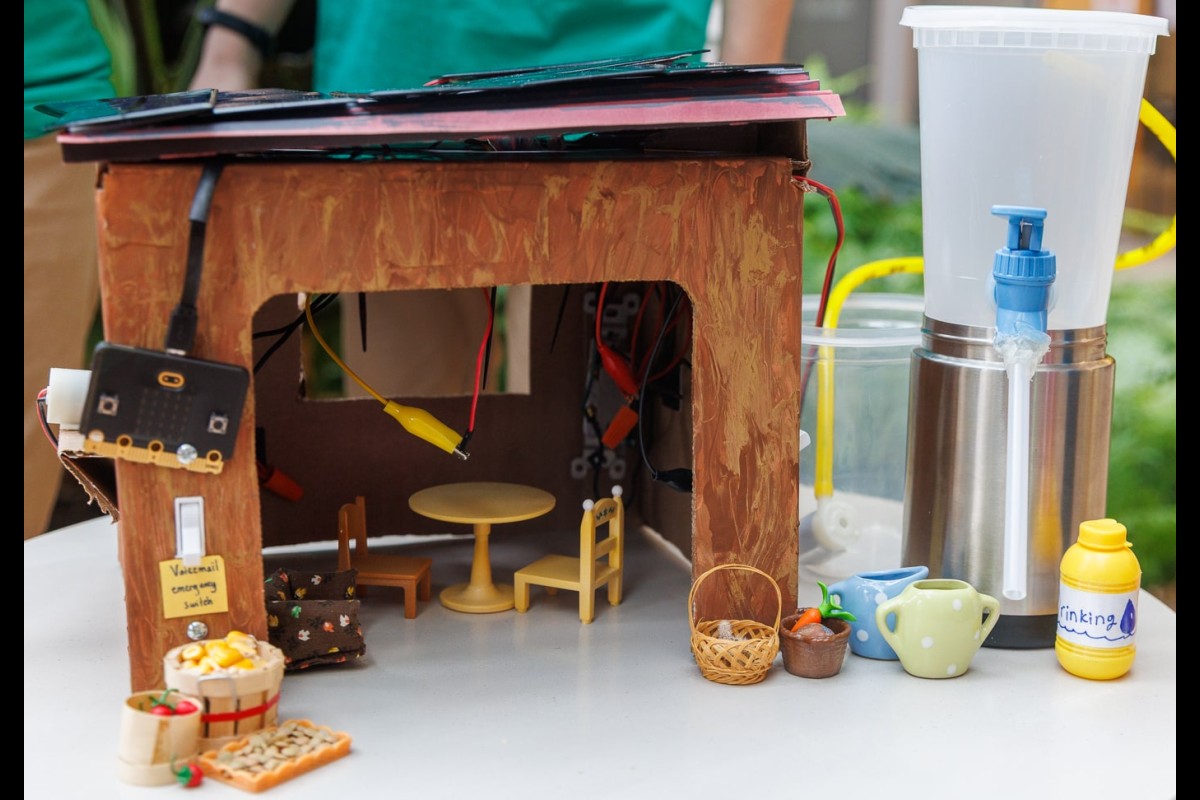
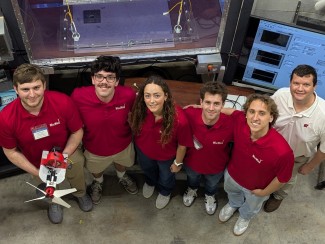
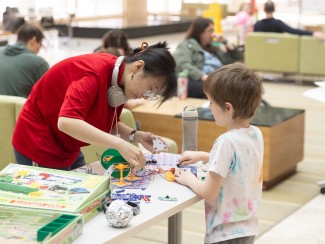
More scenes from around the competition on March 7. Students spent the day building, testing and presenting their custom renewable energy projects. (Photos by Matthew Wisniewski / Wisconsin Energy Institute)
They weren’t the only team that faced challenges. Ethan Mathew and Theresa Abraham were the sole members of the Wind Warriors, a pair of family friends that designed their own T-shirts and turbine.
Their turbine broke a few times in the tunnel, but they were persistent, fixing it again and again on the fly. Their persistence and teamwork earned them the “Spirit of KidWind” award. KidWind is a competition, but it’s also about teamwork.
“Teamwork is just so important,” said Evan. “Branson and I are best friends, and we have never had more fights than about KidWind. At the end of the day, it brings us closer together. Compromising and working it out together.”