
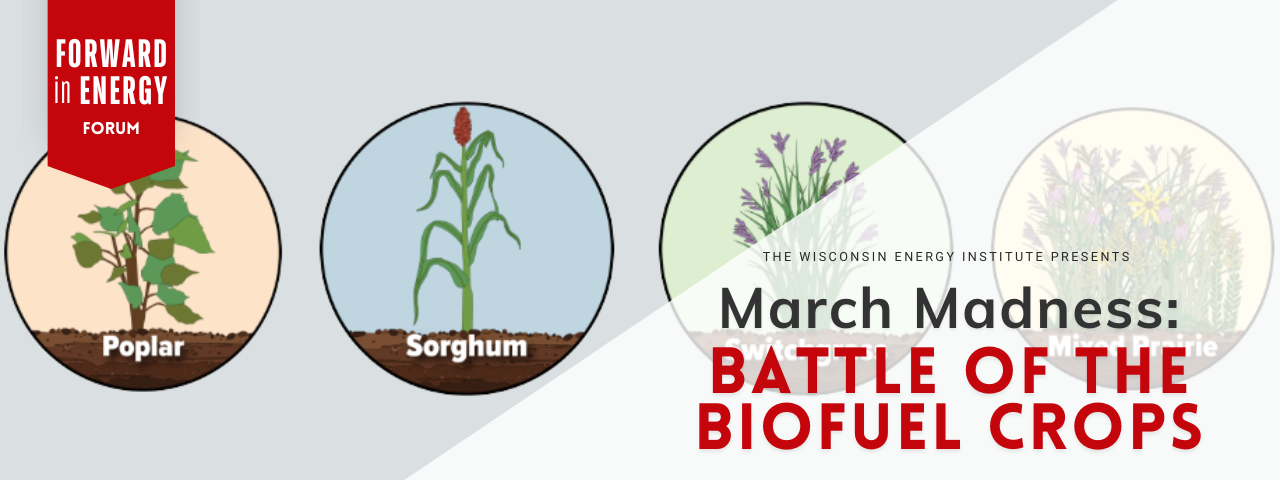
Join the Wisconsin Energy Institute for the second annual March Madness Forward in Energy Forum featuring the “Battle of the Biofuel Crops." Four scientists from the Great Lakes Bioenergy Research Center will passionately pitch why their chosen plant is the most fascinating and useful feedstock for producing biofuels and bioproducts.
The plants will compete in a friendly bracket-style competition, with two rounds of head-to-head battles and real-time audience voting to determine the ultimate champion. This event promises to be an entertaining and educational showcase of cutting-edge sustainability research, highlighting the characteristics and technologies that bioenergy scientists consider when working with plant feedstocks.
Don't miss this opportunity to learn about the future of bioenergy and cheer on your favorite biofuel plant!
Join us on Tuesday, March 24 at 4:30 p.m. CT online via Zoom Webinar. Registration is required.
Moderator
Sarah Lebeis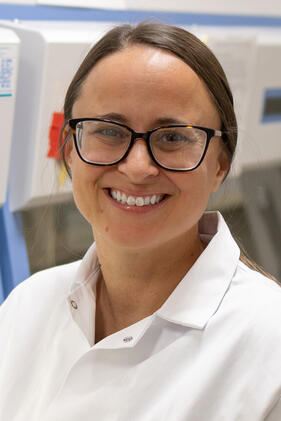
Associate Professor of Microbiology & Molecular Genetics, Michigan State University; Science Director, Great Lakes Bioenergy Research Center
An internationally recognized expert, Sarah Lebeis investigates how plants and microbes each contribute to host microbiome assembly. Her work focuses on microbial chemotaxis and microbial survival and seeks to positively affect food production to meet increasing demand. Lebeis is an associate professor of plant, soil, and microbial sciences at Michigan State University. She earned a PhD in microbiology and molecular genetics from Emory University in Atlanta. As a postdoctoral researcher at the University of North Carolina, Lebeis worked to sequence the DNA of bacteria from root systems of more than 600 plants, a study that resulted in papers published in Nature and Science.
Panelists
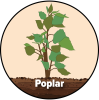
Rebecca Smith - Representing Poplar
Assistant Professor, Department of Plant and Agroecosystem Sciences, UW–Madison
Rebecca Smith is an assistant professor of translational plant science for dairy sustainability in the Department of Plant and Agroecosystem Sciences and the Dairy Innovation Hub at the University of Wisconsin–Madison and a co-investigator in the Great Lakes Bioenergy Research Center (GLBRC). She is a trainer in the agronomy, agroecology and plant breeding and plant genetics (PBPG) programs. The Smith lab research focuses on how to genetically engineer the plant cell wall in forage and bioenergy crops to improve plant digestibility, animal nutrition, and dairy sustainability. Trainees in the Smith lab use multidisciplinary approaches, including cutting edge genetic tools, cell and molecular biology, microscopy, biochemistry and analytical chemistry, to probe basic and applied questions about the plant cell wall.
Evan Kurtz - Representing Sorghum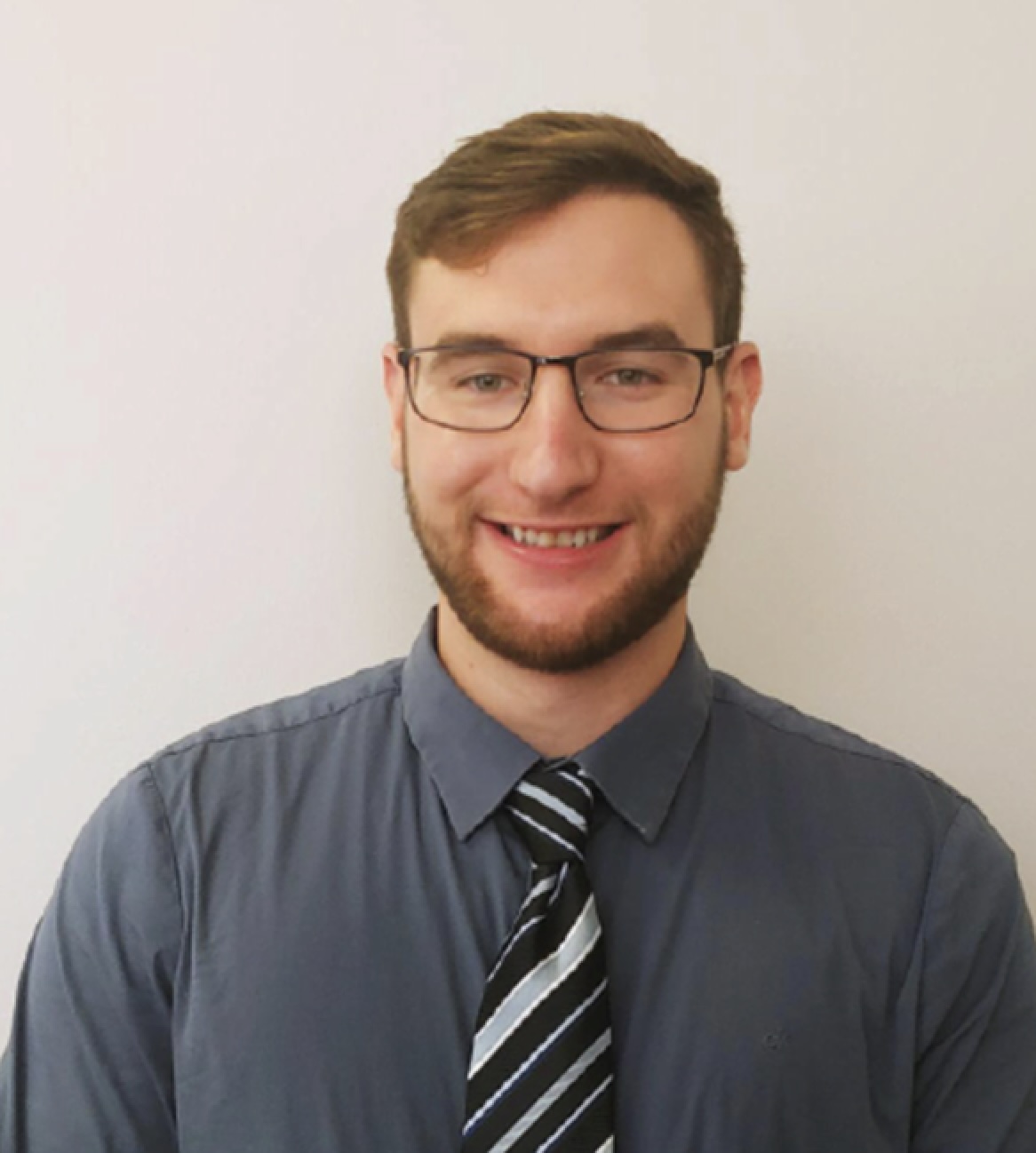
Graduate Student, Mullet Lab, Texas A&M
Evan Kurtz is a Ph.D. candidate in Dr. John Mullet’s lab at Texas A&M University. His research focuses on understanding and optimizing the growth of bioenergy sorghum to improve biomass yield and sustainability. Evan's work centers on the identification and functional characterization of small signaling peptides (SSPs) in Sorghum bicolor. He integrates phylogenetics, gene expression analysis, and experimental validation to identify SSPs that regulate stem development. The stem is the primary organ harvested for biofuel production so understanding how SSPs control stem growth can provide new molecular targets for improving sorghum biomass production, carbon allocation, and overall sustainability.
Evan received his B.S. in Biochemistry and Molecular Biology from Michigan State University in 2019, then spent two years as a Biochemical Research Trainee in Dr. Susanne Hoffmann-Bennings lab at Michigan State university prior to his Ph.D. work at Texas A&M.

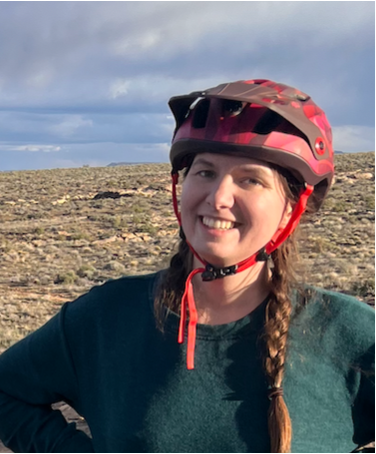
Colette Berg - Representing Switchgrass
Research Associate, Lowry Lab, Michigan State University
Dr. Colette Berg is a postdoctoral researcher in Dr. David Lowry’s lab at Michigan State University. She is a plant evolutionary geneticist, and investigates how genetics and environment shape a variety of traits in switchgrass. Her current project is mapping how switchgrass trait variation in Michigan and Texas is mediated by gene expression regulation.

Dr. Dileepa Jayawardena - Representing Mixed Prairie
Research Associate, Thelen Lab, Michigan State University
Dileepa Jayawardena is a Postdoctoral Scholar at the Great Lakes Bioenergy Research Center in Michigan State University. In his research program, he works to address a couple of questions including: Can we sustainably produce cellulosic bioenergy feedstocks on marginal lands in the Great Lakes Region? And, can we sustainably harvest stover from corn fields for bioenergy production?
Dr. Jayawardena got both his MS and PhD in Biology (Ecology-Track) from the Department of Environmental Sciences, University of Toledo, OH. Before joining Michigan State University, he worked as a postdoctoral Fellow in the Cropping Systems Agronomy program at the University of Idaho.
The University of Wisconsin-Madison is a barrier free campus and is committed to providing equal opportunity for participation in all programs, services, and activities. If you need an accommodation for this event please let us know by emailing outreach@energy.wisc.edu or calling 608-890-0946. Requests made with less than 3 weeks’ notice will be honored when possible.