
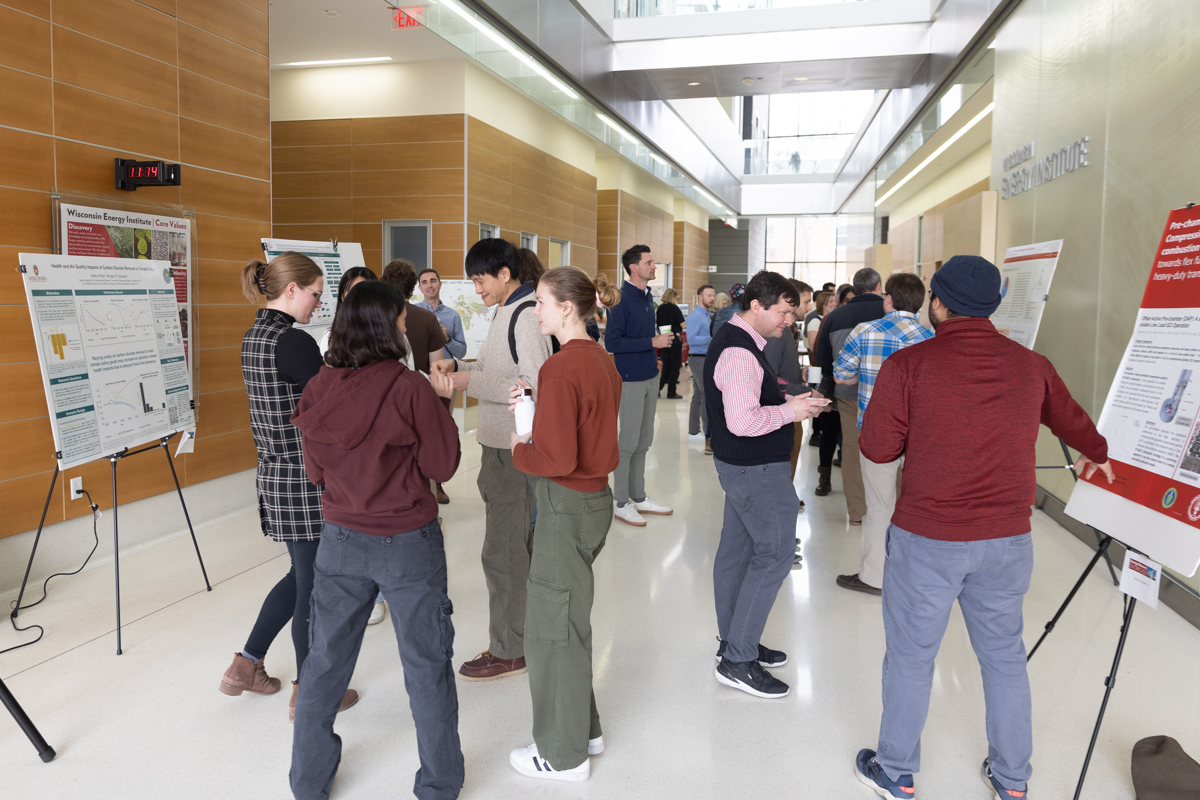
Join us on February 13 at the Wisconsin Energy Institute for the Biobased Materials Research Symposium—a gathering of UW–Madison researchers driving the next wave of sustainable materials. Explore the current state of biobased materials research and what’s on the horizon for translating groundbreaking discoveries from the lab to the marketplace. The morning features rapid-fire flash talks, an inspiring keynote, and a thought-provoking panel on circular bioproduct development. The event will conclude with a poster session, networking opportunities, refreshments, and awards celebrating outstanding student and postdoc flash talks. Don’t miss this chance to connect, collaborate, and shape the future of biobased innovation!
Event Details
Time: 9:00 a.m. to 12:00 p.m.
Location: Room 1115 and Atrium, Wisconsin Energy Institute
The event is free and open to all. Come and go as you need throughout the morning.
Please be sure to check with your supervisor before attending.
Agenda at a Glance:
9:00 am Welcome and Opening Remarks
9:05 am Flash Talks
9:45 am Keynote - "Biotechnology for Materials: A Big Picture View"
Dr. Doug Cameron, Technology Investor and Advisor in Food, Agriculture and Applied Biology
Life produces a remarkable range of materials. This talk will focus on the application of living organisms and systems related to life (biotechnology) for the production of materials. Feedstocks and energy sources are converted, via cells or cell components, to carbon-based monomers and polymers. These are further processed to useful materials. Cells and cell components also induce or enable the formation of inorganic materials. In addition, living systems provide inspiration for the non-biotechnological production of materials – bioinspired materials.
10:30 am Panel Discussion - "Green By Design: Scaling Biobased Breakthroughs"
- Moderated by: Quentin Dudley - Assistant Professor, UW–Madison Department of Chemical and Biological Engineering
- Panelists:
- Doug Cameron - Technology Advisor and Investor
- Greg Keenan - Partner, WARF Ventures
- Daniel McClelland - Vice President of Catalysis, Pyran Inc.
- Michael Gay - Development Specialist, Center for Dairy Research
11:15 am Poster Session & Refreshments
11:55 Awards Announcement and Closing Remarks
Speakers
Keynote:
Dr. Doug Cameron - Technology Advisor and Investor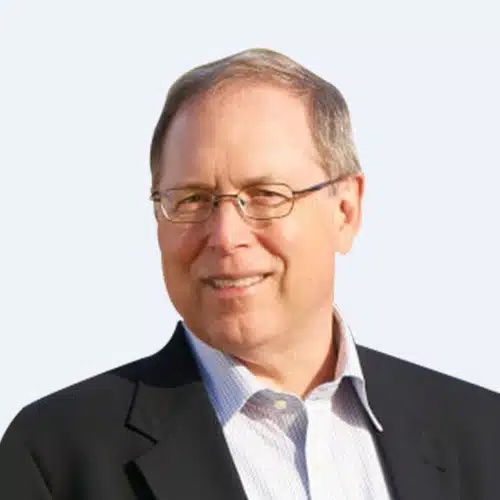
Dr. Doug Cameron is a technology investor and advisor in food, agriculture and applied biology. He is co-president of the investment firm, First Green Partners. He is a senior advisor to the Asia Green Fund and he previously led the Western activities of the U.S.-China Green Fund.
Cameron’s other investment experience includes chief scientific officer at Khosla Ventures and managing director in the cleantech investment banking group at Piper Jaffray. Prior to becoming an investor, Cameron was director of biotechnology and chief scientist at Cargill, Inc. and a professor of chemical and biological engineering at the University of Wisconsin-Madison. He has had a passion for food and agriculture his entire career—his first job out of college was with a start-up company, Advanced Harvesting Systems, which focused on large-scale plant protein production for animal and human nutrition.
Cameron is on the Excellence Advisory Board of the VTT Technical Research Centre of Finland (VTT) and advises several start-up companies, including Apeel Science, DMC Biotechnologies, Geltor and Nature’s Fynd. He is also a member of the Foundation for Food & Agriculture Research Board of Directors.
He holds a Bachelor of Science in Engineering in biomedical engineering from Duke University and a doctorate degree in biochemical engineering from MIT. Cameron enjoys bicycling and explored Iowa’s agriculture by bike as he completed the 430-mile RAGBRAI bicycle ride across the state with his wife, Sally.
Green by Design: Scaling Biobased Breakthroughs Panel
How can intentional design, biology and catalysis-driven innovation, and scalable engineering move biobased solutions from the lab to real-world impact? This panel discussion will touch on emerging technologies, key scale-up challenges, and practical strategies for translating sustainable materials, chemicals, and processes into competitive, biobased products.
Moderator:
Quentin Dudley - Assistant Professor of Department of Chemical and Biological Engineering, UW–Madison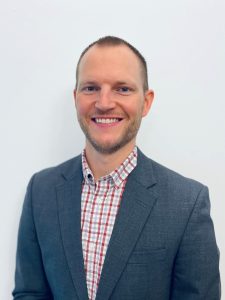
Quentin Dudley joined the Department of Chemical and Biological Engineering as an assistant professor in January 2024. He completed his PhD at Northwestern University, developing a new approach for prototyping enzyme pathways using cell-free protein synthesis. Afterward, he spent four years as a postdoctoral researcher at the Earlham Institute and John Innes Centre in Norwich, United Kingdom where he improved tools for engineering plants to produce valuable bioactive molecules such as strictosidine, a precursor to anticancer compounds. Before joining UW-Madison, he led the analytical chemistry team at the plant synthetic biology company Calyxt and was a field strategist for Speculative Technologies, a non-profit research organization.
The Dudley lab researches sustainable production of useful biomolecules with a particular focus on cell-free and plant synthetic biology.
Daniel McClelland - Vice President of Catalysis, Pyran Inc.
Dan McClelland joined Pyran, Inc in 2019 as the VP of Catalysis, where he leads the laboratory R&D development for the bio-based 1,5-pentanediol pathway and new C5 derivatives. In addition to his R&D responsibilities, Dan plays a key role in the scale-up of the 1,5-pentanediol process, working to bring it to commercialization. He holds a BS in Chemical Engineering from Illinois Tech and a Ph.D. in Chemical Engineering from the University of Wisconsin-Madison which he received in 2018 and was focused on catalytic conversion of biomass.
Greg Keenan - Partner, WARF Ventures
Greg Keenan is a partner in the Venture Office at the Wisconsin Alumni Research Foundation (WARF), where he leads efforts to advance the commercialization of UW–Madison technologies. With more than 30 years of experience in technology commercialization, industrial innovation, and venture investing, Greg has guided the development and scaling of biobased fuels, chemicals, and materials, along with other cleantech and advanced manufacturing solutions.
At WARF, he manages venture investments and oversees the Accelerator program, supporting de risking efforts for early-stage UW–Madison technologies. His work has enabled the launch and growth of startups and industry partnerships across sustainable materials and energy. Prior to joining WARF, he held executive roles at Virent, where he advanced catalytic biorefinery technologies, and at Ingredion and Penford, where he led biomaterials business development and commercialization initiatives.
He holds an M.S.E. in Management of Technology from the University of Pennsylvania and a B.S. in Chemical Engineering from Penn State.
Michael P. Gay - Development Specialist, Center for Dairy Research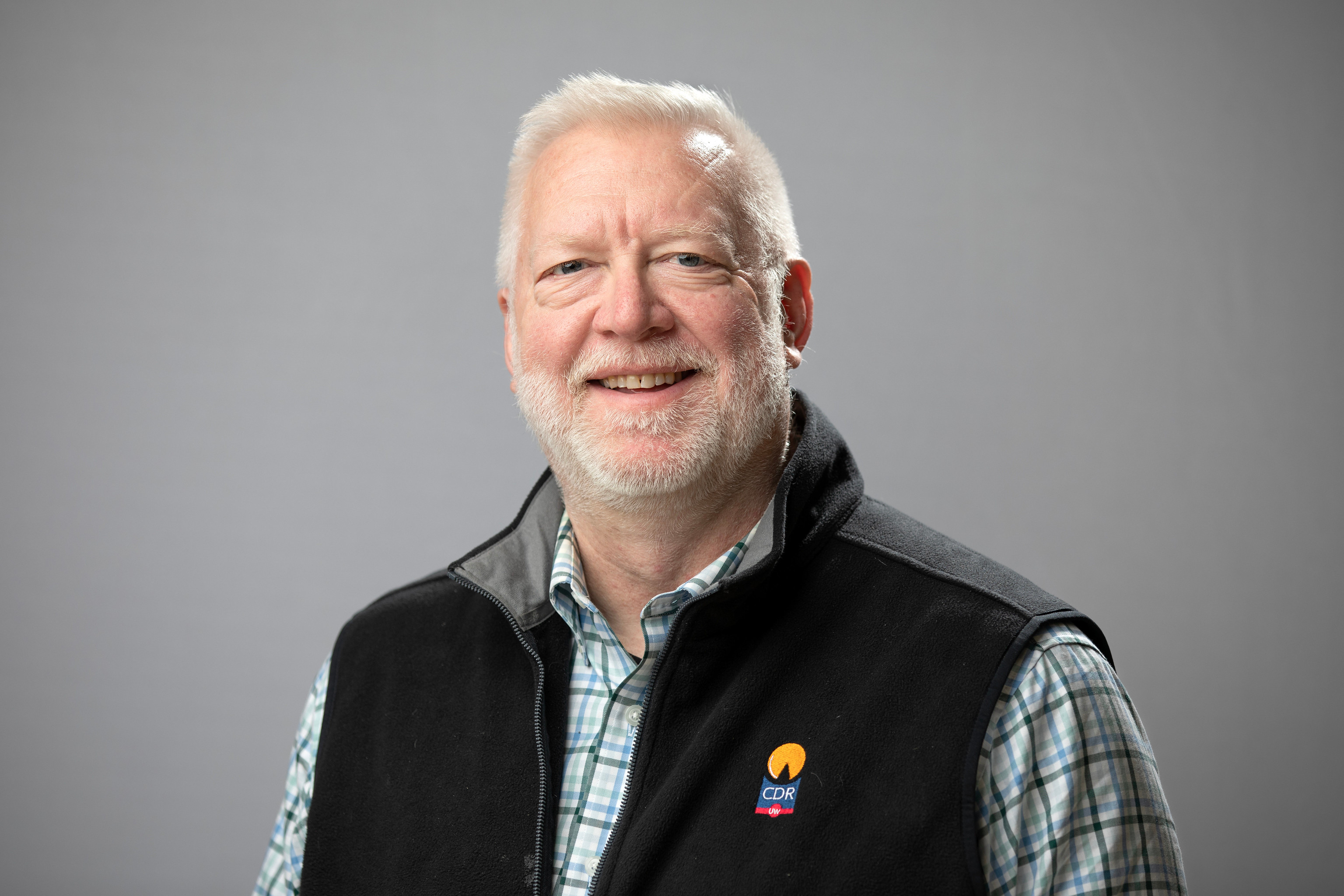
Michael identifies new funding opportunities for CDR as well as strategic business development opportunities where the Center can partner with other entities, start-ups and technologies to help drive innovation in the dairy industry. He has previously worked for 30 years in economic and business development, most recently in Puerto Rico where he led a global team to help attract Foreign Direct Investment (FDI) in the biosciences (pharma, med device, and GCT), aerospace and tech industries to the Island.
Doug Cameron - Technology Advisor and Investor
See bio above.
Flash Talk Presenters
- Katrina Santos - Life Cycle of the Novel Porous Solid-State Electrolyte Reactor: An Acetic Acid Case Study
- Eli Cytrynbaum - Utilizing a multi-liquid-phase open microfluidic system to study medical implant associated opportunistic pathogens
- Eric Agyeman-Duah - Waste DJ Mix: Turning Hydrolysate, Digestate, Glycerol & Whey Wastes into Clean Energy Hits
- Charlay Wood - Engineering aromatics in C₃ and C₄ Crops: From Atmospheric Trash to Biochemical Treasure
- Yoel Cortes-Pena - Acetate as a platform chemical for carbon negative production of oleochemicals.
- Kelechi Andrew Agwu - Screening Conditions for Sustainable BDO Organosolv Delignification of Ponderosa Pine
- Dillon Hofsommer - Biocatalysis Enabled Conversion of Lignin to Adipic Acid: Establishing a Commercial Route to Bio-Nylon
- Omoaruemike Okereke- Engineering Clostridium beijerinckii for the upcycling of whey permeate to butanol
- Quentin Dudley - Using cell-free protein synthesis to characterize plant metabolic enzymes
- Brian Pfleger - Polyhydroxyalkanoates - How do you make them?
Poster Presenters
- Yoel Cortes-Pena - Acetate as a platform chemical for carbon negative production of oleochemicals.
- Katrina Santos - Life Cycle and Techno-economic Assessment of the Novel Porous Solid-State Electrolyte Reactor: An Acetic Acid Case Study
- Fong - Biochemical Pathway for the Conversion of PDC and PDC-Derived Compounds
- Rob Mejia - Waste Stream Valorization: Engineering E. coli to Convert Pyrolysis-Derived Levoglucosan into PHB
- Toyin Shittu - Sustainable catalytic production of hexane-1,2,5,6-tetrol from Biomass Derived Levoglucosenone
- John Hendrickson - Flax: Linum usitatissimum…“the plant most useful”
- Shawn Stephens - Understanding the acid-catalyzed synthesis of levoglucosenone through kinetic modeling
- Marcos Oliveira - Generating Bioenergy Crops with Elevated Aromatic Production
- Eli Cytrynbaum - Utilizing a multi-liquid-phase open microfluidic system to study medical implant associated opportunistic pathogens
- Brayan Riascos - Post-anaerobic digestion manure fibers as a renewable source of lignocellulosic biomass
- Eric Agyeman-Duah - Rewiring the central metabolism of Clostridium beijerinckii for potential co-production of 1,2-propanediol and butanol from cheap agricultural wastes
- Zheng Rong Yee - Optimizing industrial dairy waste streams as feedstock for microbial production of bioplastics
- Nachiketa Bairagi -
- Max Garcia - Engineering Novosphingobium aromaticivorans for production of 2-pyrone-4,6- dicarboxylic acid (PDC) from acetovanillone.
The University of Wisconsin-Madison is a barrier free campus and is committed to providing equal opportunity for participation in all programs, services, and activities. If you need an accommodation for this event please let us know by emailing outreach@energy.wisc.edu or calling 608-890-0946. Requests made with less than 3 weeks’ notice will be honored when possible.