
Space and water heating account for almost half of global energy use in buildings today, and nearly two thirds of heating energy use relies on fossil fuels. Those numbers are even higher in cold climates such as Wisconsin’s. A number of solutions exist now or are in the works to increase the efficiency of heating systems in our homes and businesses while cutting costs and pollution. What are the pathways that can scale these solutions up to reach their full potential?
Join us online on February 24 at 4:30 p.m. CT to hear a panel of experts sharing the latest in heating technologies, what people can do now to switch to cleaner technologies, and what innovations are on the horizon for sustainable heating in cold climates.
The University of Wisconsin-Madison is a barrier free campus and is committed to providing equal opportunity for participation in all programs, services, and activities. If you need an accommodation for this event please let us know by emailing outreach@energy.wisc.edu or calling 608-890-0946. Requests made with less than 3 weeks’ notice will be honored when possible.
Moderator
Joe Pater, Co-Director, Office of Energy Innovation, Public Service Commission of Wisconsin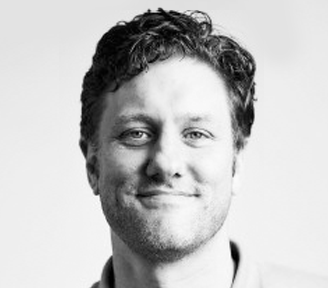
Joe Pater is a Co-Director of the Office of Energy Innovation at the Public Service Commission of Wisconsin. He started work in the energy efficiency industry in 2009 working as a project manager for Wisconsin Energy Conservation Corp implementing lighting and appliance programs. He then went to work for a lighting manufacturer, supporting their utility rebate efforts which eventually evolved into him starting a company which specialized in data and analytics for utility rebate programs. Joe joined the PSC in 2020 and in his role as Co-Director of OEI, he oversees Incentives, Technical Assistance, and Energy Data teams, including Focus on Energy and Home Energy Rebates.
Panelists
Mike Hanson, Director of Utilities and Energy Management, Physical Plant, UW-Madison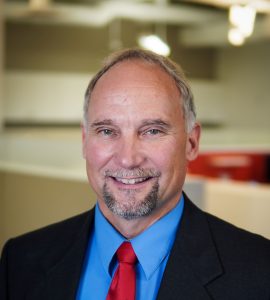
Mike Hanson is Director of Utilities and Energy Management with the Physical Plant in the Division of Facilities Planning and Management at UW-Madison. Mike brings more than 20 years of utility engineering experience to this new role. He has been with UW-Madison since 2019, first serving as Senior Campus Utility Engineer. Previously, he was the Energy Distribution and Heating Plant Engineer for the State of Wisconsin, Division of Facilities Development. His experience includes designing, engineering, constructing, and managing mechanical and electrical systems for higher education facilities, with a focus on centralized thermal utilities (heating and cooling) and electrical systems in heating plants, buildings, and underground. Mike holds a B.S. in Mechanical Engineering Technology from the Milwaukee School of Engineering (MSOE).
Andrew Iliff, Policy Director, HEET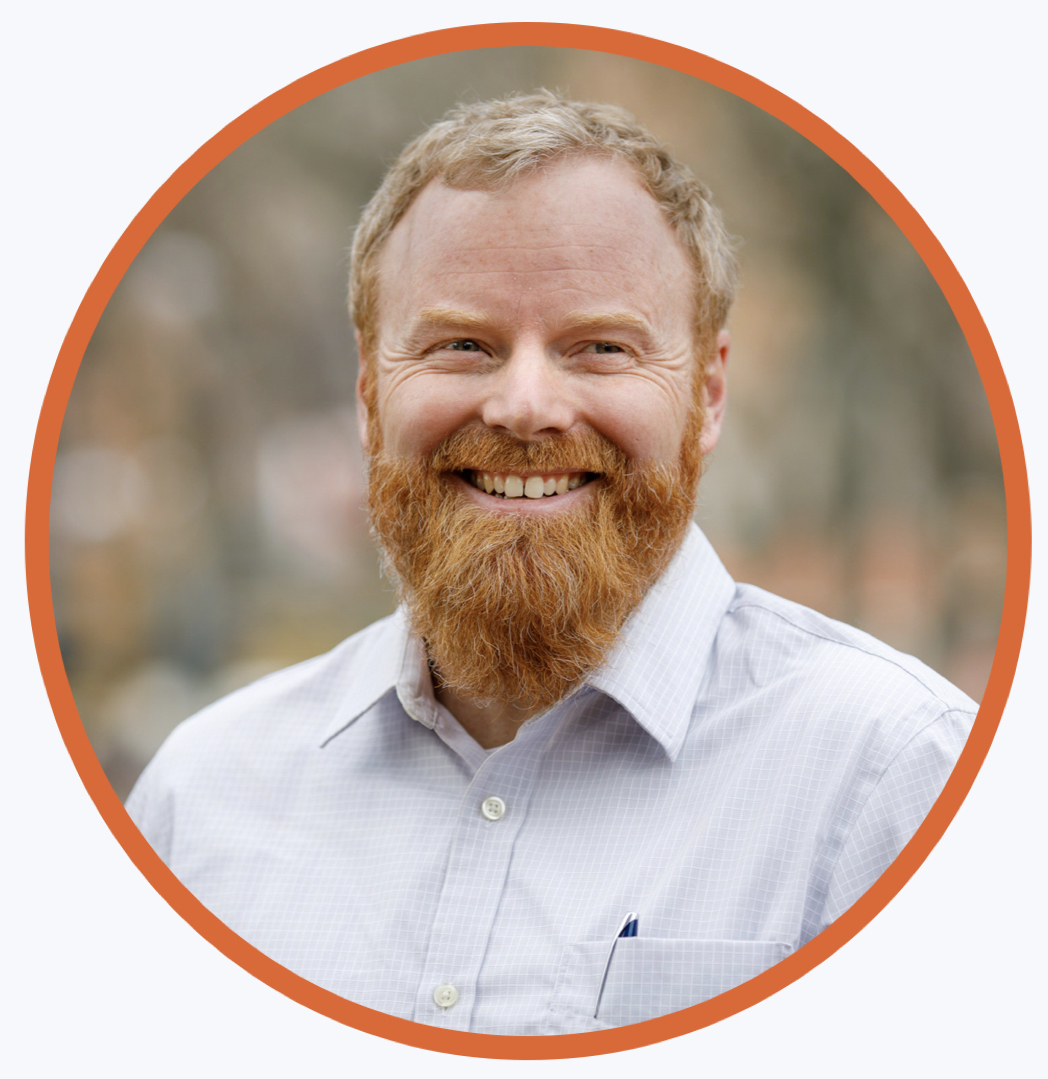
Andrew works with the HEET team to bring together networks of communities, workforce, utilities, regulators, policymakers and other stakeholders to accelerate the transition from gas to geothermal energy across the United States. Using his background as a communicator and writer, together with his education in human rights law and in public health, Andrew drives policy to support an efficient and equitable transition to clean, renewable thermal energy. Andrew coordinated HEET’s pilot geothermal field technician intensive in 2024, and convenes a quarterly forum of state public utility regulators guiding implementation of thermal energy networks.
Allison Mahvi, Assistant Professor of Mechanical Engineering, UW-Madison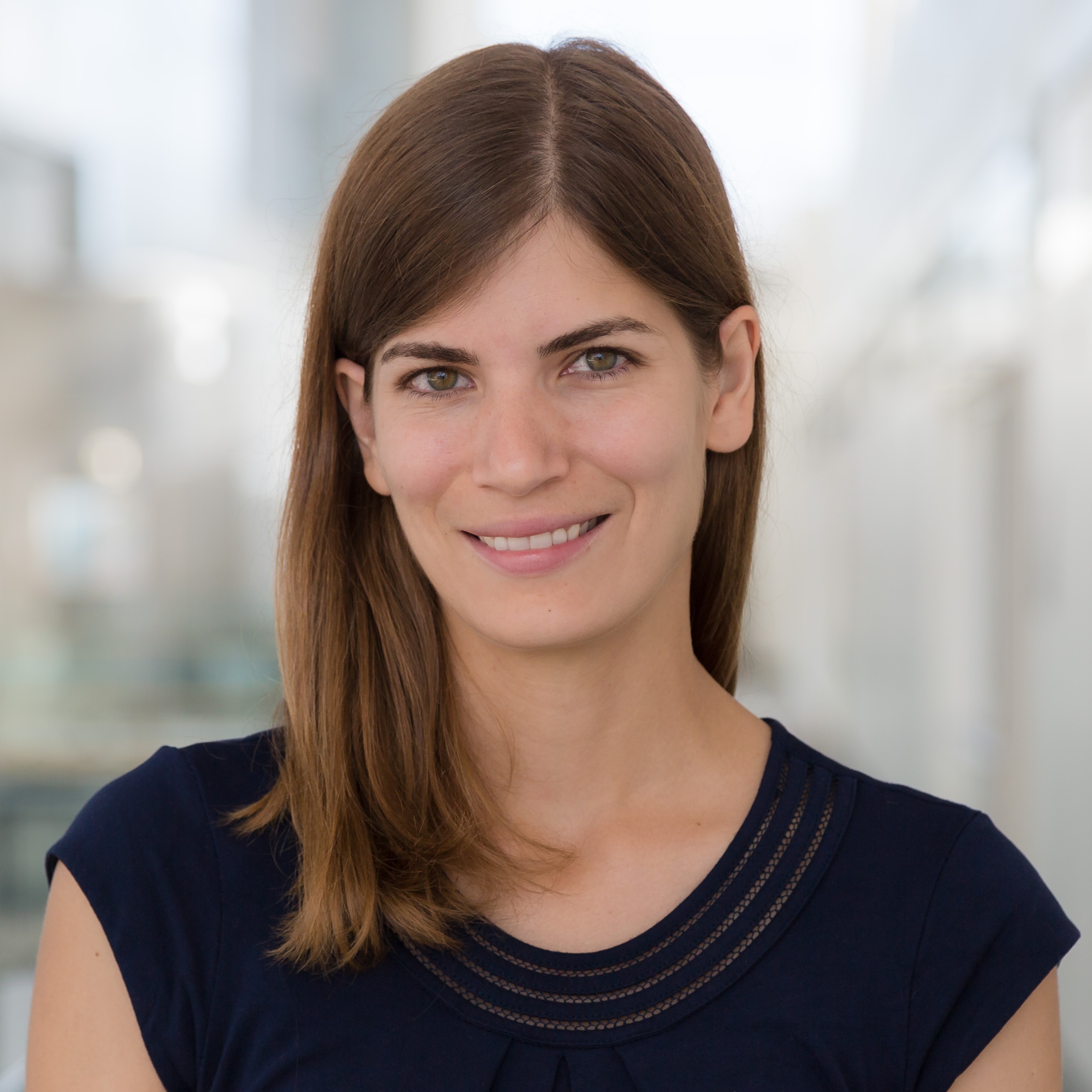
Dr. Allison Mahvi is the Bluemke Assistant Professor in Mechanical Engineering at the University of Wisconsin–Madison, where she directs the Laboratory for Energy Transport and Storage (LET+S). Her research advances thermal energy systems through innovations in two-phase flows, surface enhancements, and energy storage technologies. Dr. Mahvi earned her Ph.D. from Georgia Tech and her B.S. from UW–Madison, followed by postdoctoral appointments at the University of Illinois and the National Renewable Energy Laboratory. She has published over 25 peer-reviewed articles and received numerous honors, including the ASME Graduate Teaching Fellowship and the ASHRAE Grant-in-Aid. Her current work focuses on high-efficiency cooling systems, next-generation heat pumps, and strategies for decarbonizing building energy use.
Angela Pakes, Associate Vice President in Decarbonization, Salas O’Brien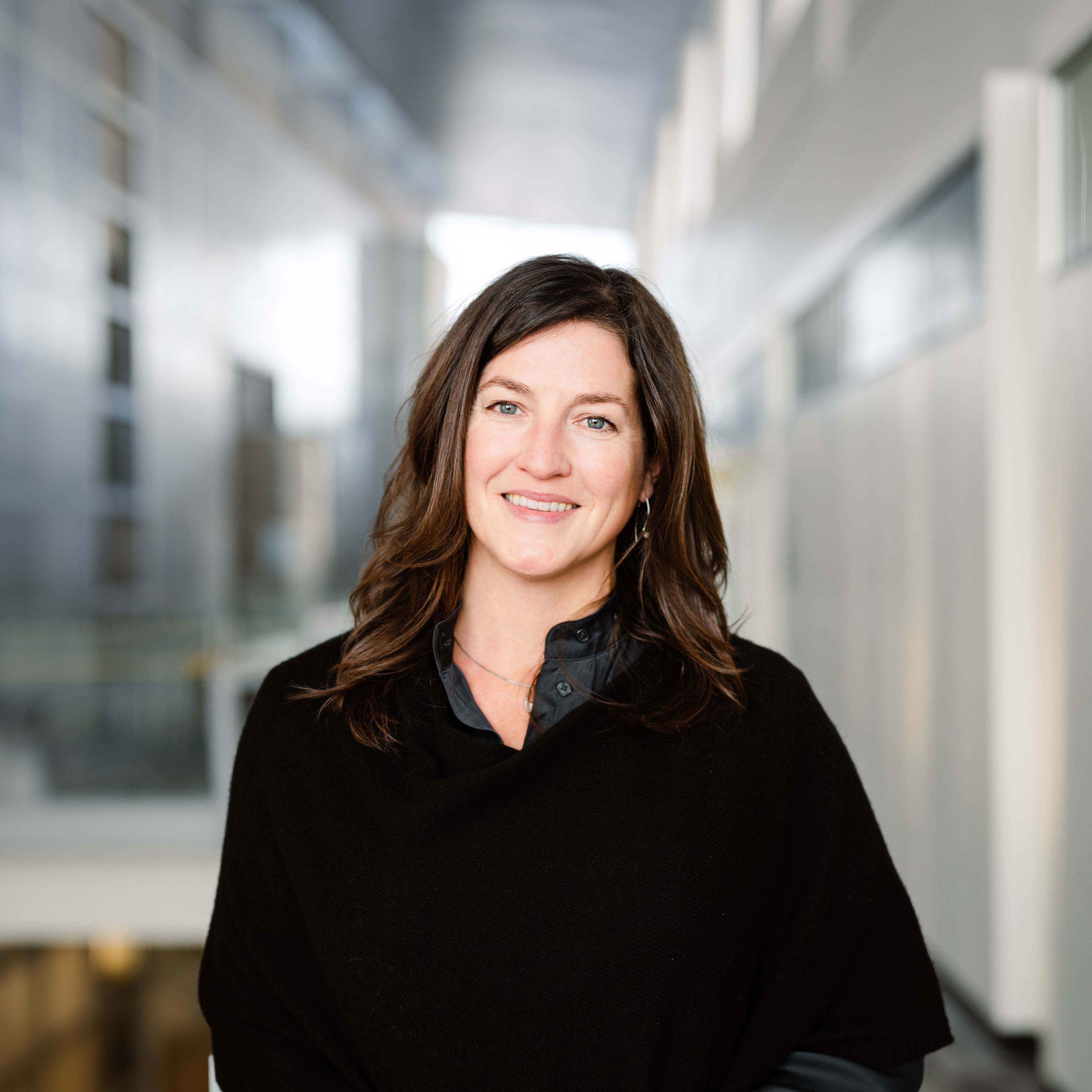
Angela Pakes, P.E., LEED AP, is an industry leader applying decarbonization and sustainability practices throughout a career spanning engineering, construction, and applied recycled materials research. Prior to joining Salas O’Brien, Pakes led revitalization and economic development for a large constituency in south central Wisconsin, helping secure the community’s largest public-private partnership. Pakes led a portfolio of major design and construction projects totaling over $1.6B at the University of Wisconsin-Madison, using Lean engineering, Six-sigma and LEED design principles and practices. She also co-developed the framework creating the first UW-Madison Office of Sustainability. Pakes is an Honorary Associate and appointed board member for Civil & Environmental Engineering at the UW-Madison College of Engineering, and in 2024 was invited to join the Board of Directors for GreenLight Metals. Angela's leadership in sustainable design and strategic project management continues to drive innovation across all sectors of the built environment.
Lauren Reeg, Manager—Carbon-Free Buildings, RMI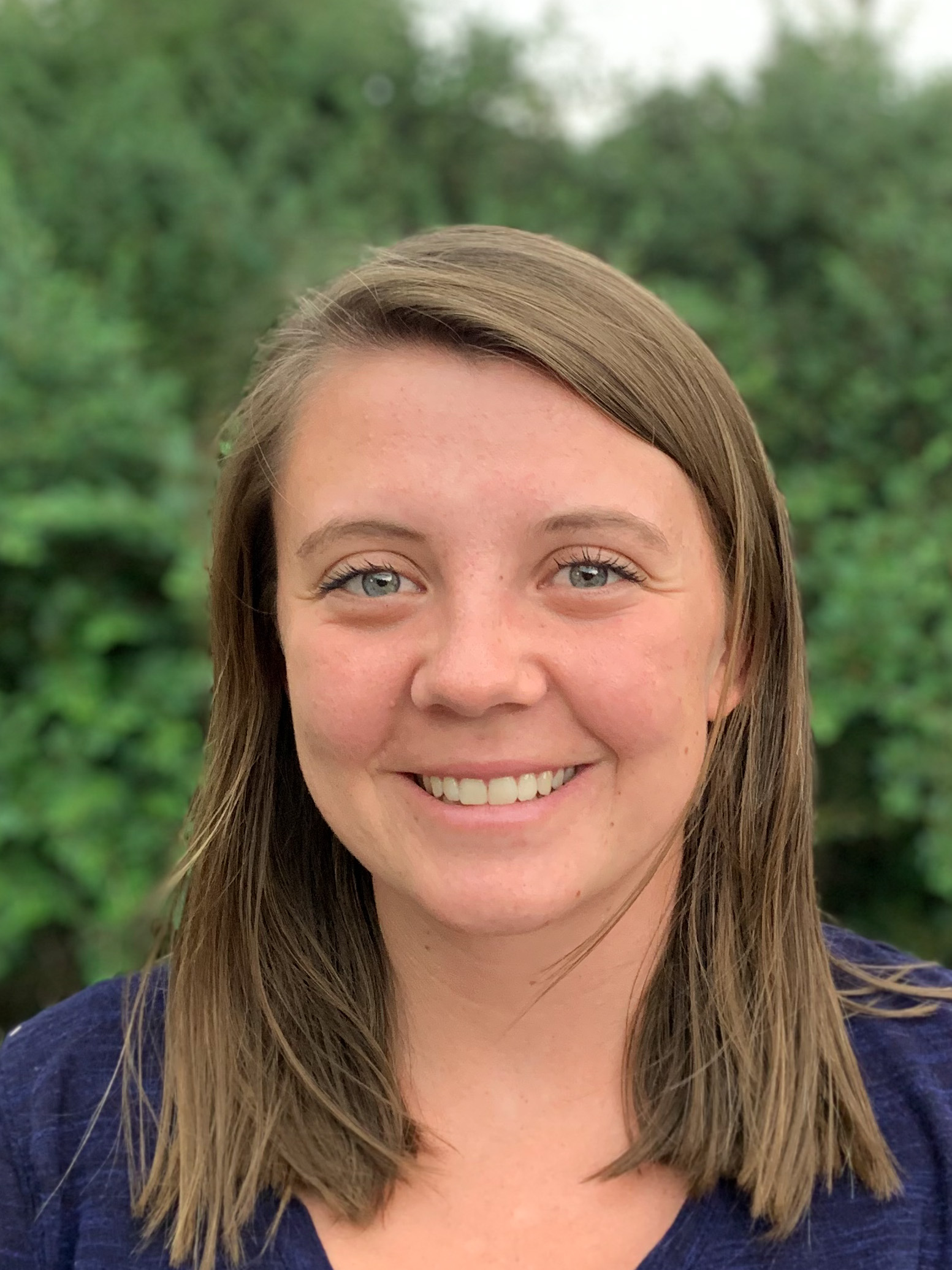
Lauren is a manager in RMI’s Carbon-Free Buildings Program, where she is responsible for cross-cutting analytics and policy research in support of eliminating fossil fuel use in buildings in the Midwest region. Before joining RMI, Lauren earned her master’s in Environment and Resources from UW Madison with an emphasis on Energy Analysis and Policy. In conjunction, she interned for RENEW WI, where she focused on regulatory analysis of clean energy in Wisconsin. Lauren also has a bachelor’s in Engineering Mechanics and Astronautics and is a 2020 WRISE Rudd Mayer fellow.